What to Know Before Buying a Home in a Rural or Suburban Area
3 March 2026
Thinking about escaping the hustle and bustle of city life? Moving to a rural or suburban area comes with plenty of perks—more space, peace and quiet, maybe even a backyard big enough for a garden or some chickens. But before you pack your bags and head for the hills, there are some key things to consider. Buying a home in a less urban setting isn’t just about finding a house you love; it’s also about making sure your lifestyle and expectations align with what rural or suburban life has to offer.
Ready to dive in? Let’s break down what you need to know.
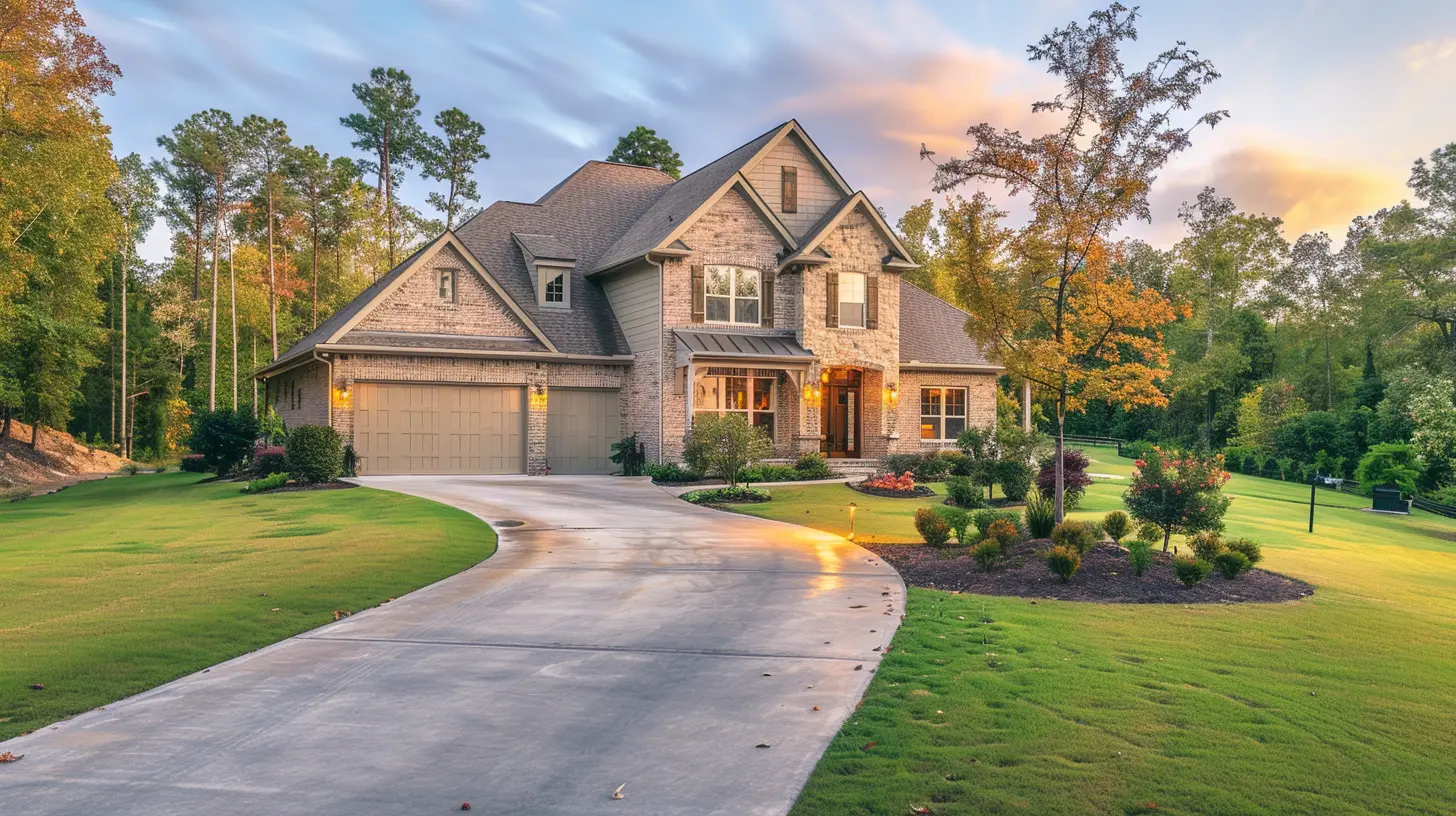
1. Understanding the Cost of Living
You might assume that moving to a rural or suburban area automatically means saving money. In many cases, housing costs are significantly lower than in big cities, but there are other expenses that can creep up on you.- Property Taxes & Utility Costs – Suburban and rural homes often sit on larger lots, which can lead to higher property taxes. In rural areas, heating and cooling costs might be higher too, especially if your home relies on propane or well water systems.
- Commuting Expenses – If you’re moving farther from work, consider how much you’ll spend on gas, vehicle maintenance, and possibly even tolls. Public transportation options are often nonexistent in rural areas, so you’ll likely rely on your car for everything.
- Home Maintenance & Repairs – If you’re used to an HOA handling landscaping or snow removal, get ready to take on those responsibilities yourself. Rural homes may have wells and septic systems that require regular maintenance, which is something city dwellers rarely consider.
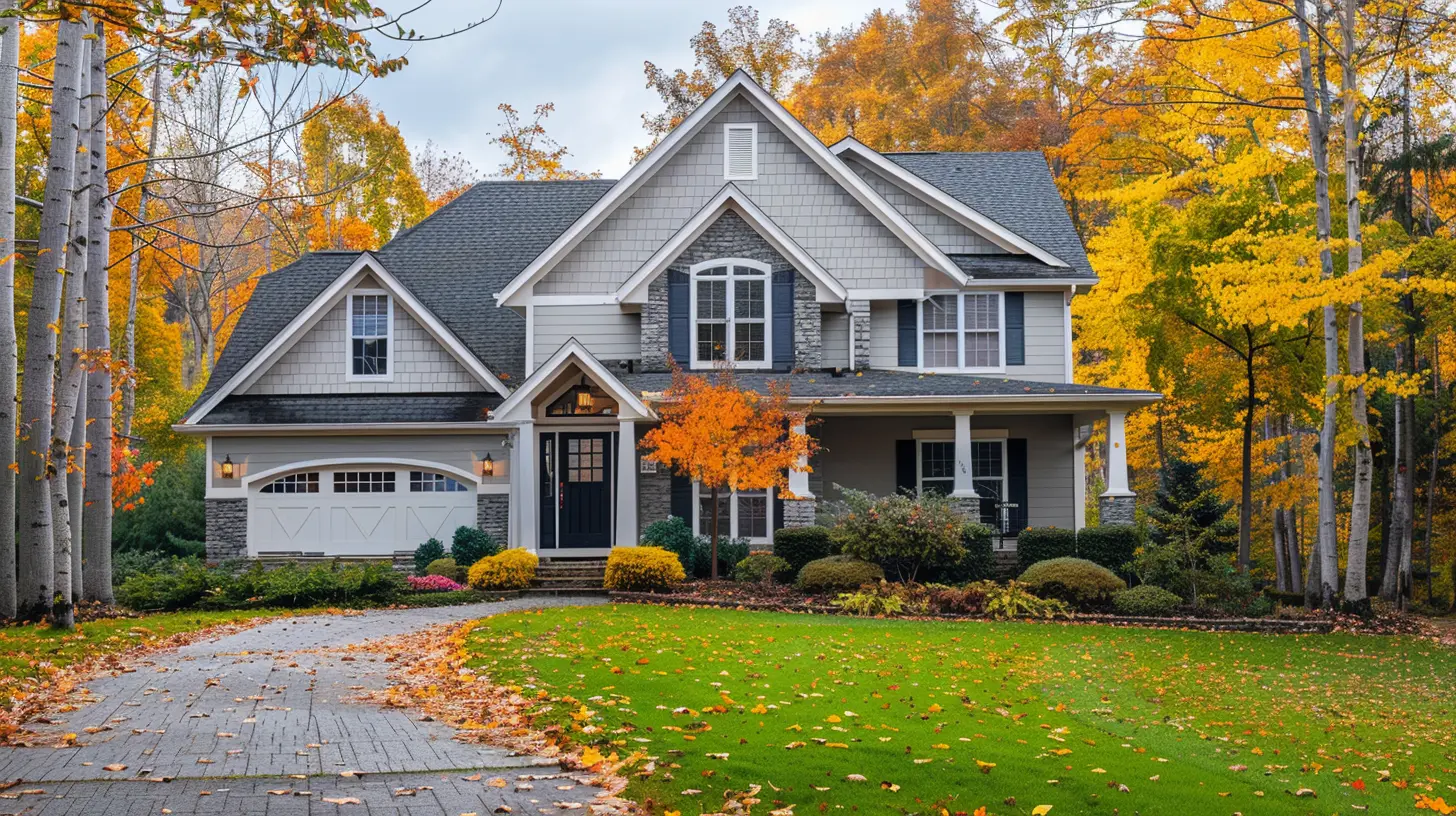
2. Infrastructure & Utilities Might Be Different
City dwellers take modern conveniences for granted, but moving to a rural or suburban area means reassessing your expectations when it comes to infrastructure and utilities.- Internet & Cell Service – High-speed internet and reliable cell service can be hit or miss in rural areas. If you work remotely or rely on strong internet connectivity, research providers before making a decision.
- Septic & Well Systems – Unlike city homes connected to municipal water and sewer, rural homes often rely on private wells and septic systems. These require ongoing maintenance and occasional repairs.
- Road Maintenance & Snow Removal – In suburban areas, roads are typically well-maintained by the city or county. But in more rural spots, private roads and driveways might not receive regular plowing or paving, meaning you’ll need to handle that yourself.
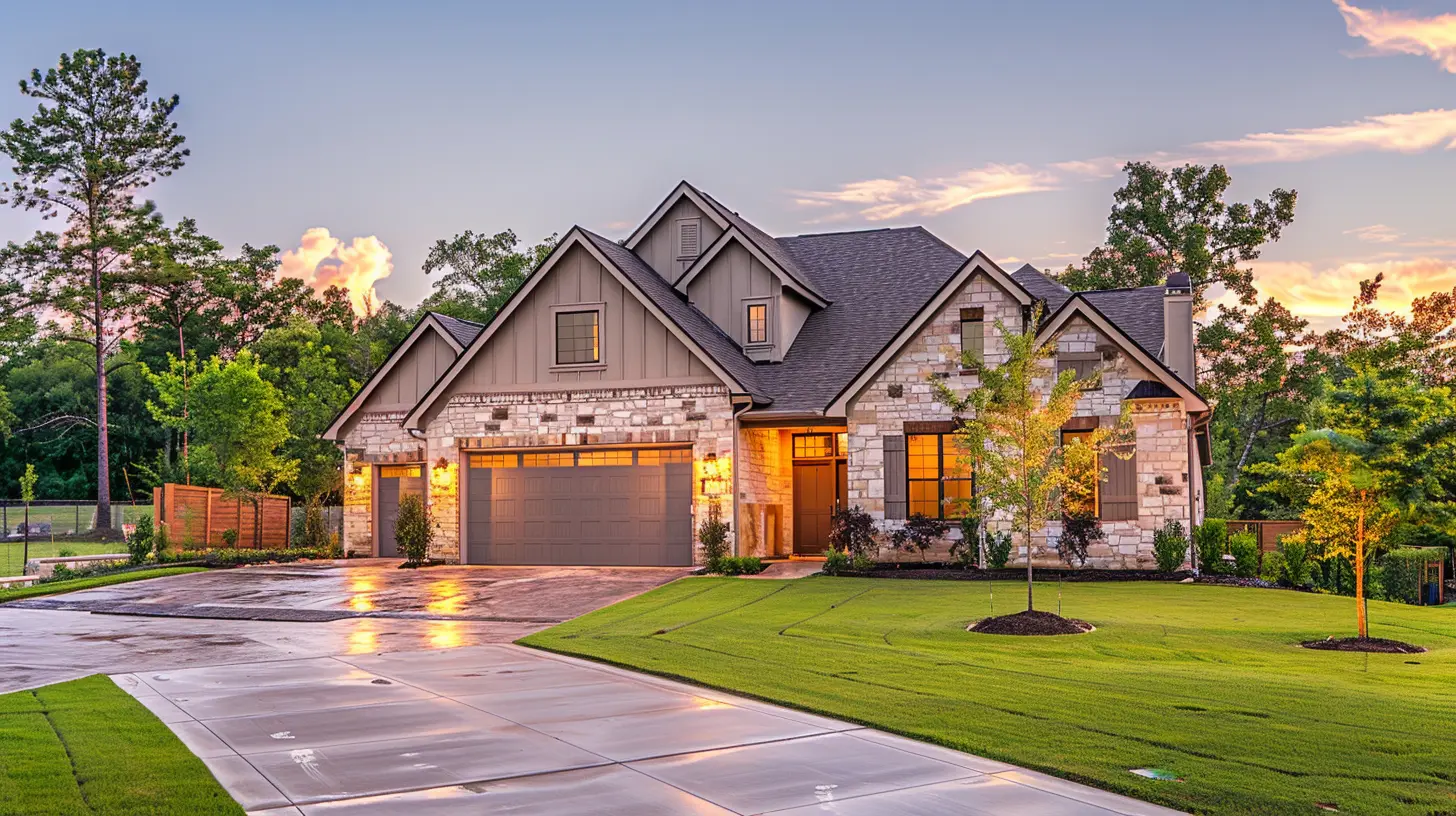
3. Accessibility to Amenities & Services
One of the biggest adjustments to rural or suburban living is the distance from essential services.- Grocery Stores & Shopping – In the city, a quick grocery run might take 10 minutes, but in a rural area, you could be driving 30+ minutes to the nearest store. Stocking up on essentials and meal planning become much more important.
- Healthcare Facilities – Access to hospitals and medical specialists can be limited in rural areas. If you have specific health concerns, consider the proximity of healthcare providers before making a move.
- Schools & Education – If you have kids, school quality is a major consideration. Suburban schools often outperform urban schools, but rural areas sometimes have fewer educational resources and extracurricular opportunities.
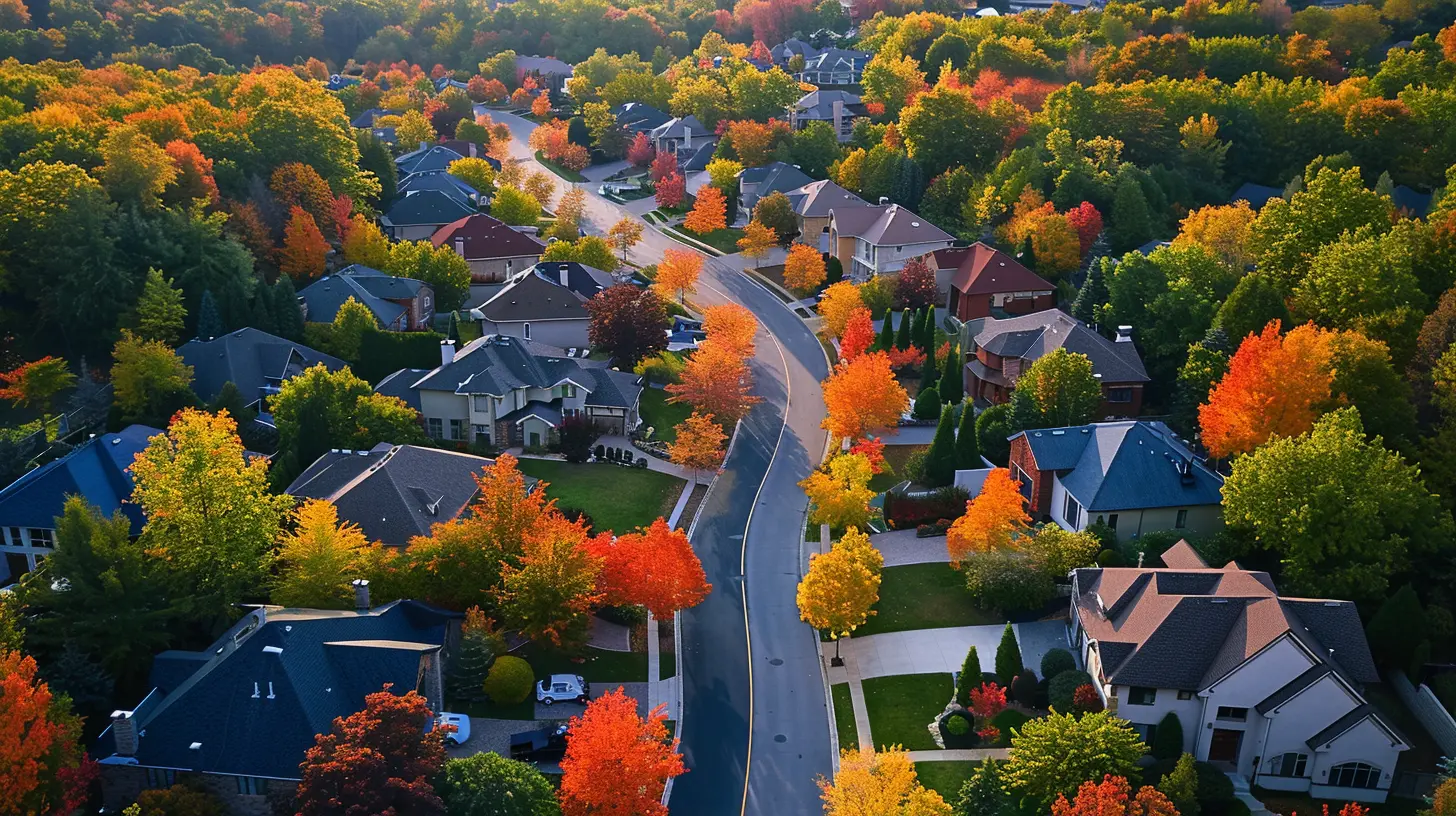
4. Zoning & Property Restrictions
Think you can build an addition on your home, raise livestock, or start a small business from your rural property? It’s not always that simple.- Zoning Laws – Check local zoning laws to understand what’s allowed on your property. Some areas have strict limitations on what you can build or operate.
- HOA Rules – Even in suburban or semi-rural areas, homeowners’ associations may place restrictions on everything from fence styles to landscaping choices.
- Agricultural Land Use – If you’re considering homesteading, farming, or keeping animals, research what’s permitted. Some locations may have restrictions on certain types of livestock or commercial farms.
5. Community & Lifestyle Differences
City life fosters a certain level of anonymity, but in suburban and rural areas, community dynamics are different.- Neighbors & Privacy – Depending on where you move, your closest neighbor might be a mile away—or right next door. Rural areas offer privacy, but this also means you might have to go out of your way to socialize.
- Community Involvement – Smaller communities often have tight-knit groups where everyone knows each other. While this can create a strong sense of belonging, it might also mean adjusting to a different social rhythm.
- Entertainment & Nightlife – If you thrive on restaurants, entertainment venues, and nightlife, moving to the country could be a major adjustment. Even suburban areas have fewer options compared to big cities.
6. Wildlife & Environmental Considerations
Living closer to nature sounds idyllic, but it comes with some challenges.- Wildlife Encounters – Rural properties often attract deer, raccoons, and even larger animals like bears. Securing trash, protecting gardens, and being mindful of pets is essential.
- Weather Risks – Rural areas might be more prone to extreme weather events, whether it’s hurricanes, tornadoes, or heavy snow. Ensuring your home is built to withstand local climate challenges is crucial.
- Pest Control – Without city pest control services, you may deal with insects, rodents, and other critters more frequently. Be prepared for proactive pest management.
7. Employment & Remote Work Considerations
Many people move to the suburbs or countryside while keeping their city job, either by commuting or working remotely. But this transition isn’t always seamless.- Job Availability – If you plan to change jobs after moving, research employment opportunities in advance. Rural areas don’t always have as many high-paying jobs, especially in specialized fields.
- Remote Work Challenges – As mentioned earlier, reliable internet is a huge factor when working from home. Plus, if you’re used to networking events and in-person meetings, rural life might feel isolating.
- Starting a Local Business – Many homeowners moving to rural areas consider running a small business. However, local regulations, zoning laws, and limited customer bases should all be factored into your plan.
8. Emergency Services & Public Safety
Safety is often a major selling point for rural and suburban living, but emergency response times can differ dramatically from what you’re used to.- Police & Fire Response Times – In more remote areas, emergency responders may take much longer to arrive than in urban locations. Having a home security system or self-sufficient plans in place is smart.
- Community Policing – Rural areas often rely on smaller police forces or volunteer fire departments. It’s worth understanding how public safety operates where you’re moving.
- Natural Disaster Preparedness – If you’re living further from major cities, you might need to be more self-reliant when it comes to disasters like flooding, wildfires, or power outages.
Is Rural or Suburban Living Right for You?
Buying a home outside of a city can be an incredible lifestyle change with plenty of benefits—it’s quieter, you get more space, and the pace of life tends to be more relaxed. But it’s not for everyone.Before making the big move, weigh the pros and cons carefully. Consider your daily needs, work situation, and how comfortable you are with handling extra responsibilities (because trust me, country living isn’t all sunsets and porch swings).
If privacy, nature, and a slower pace of life sound like heaven, a suburban or rural home might be your dream come true. Just be sure to go in with open eyes, a well-researched plan, and maybe a backup generator—just in case.
all images in this post were generated using AI tools
Category:
Residential Real EstateAuthor:

Lydia Hodge
Discussion
rate this article
2 comments
Julia Gill
Great article! Understanding rural and suburban dynamics is crucial for a successful home purchase. Your insights will surely guide many buyers.
March 6, 2026 at 4:13 AM
Lydia Hodge
Thank you! I'm glad you found the article helpful. Understanding these dynamics can make a big difference in the buying experience!
Roxanne Sanders
Consider local amenities, commuting times, and property values to ensure your rural or suburban home investment is wise.
March 3, 2026 at 11:57 AM
Lydia Hodge
Absolutely! Evaluating local amenities, commuting options, and property values is crucial for making a smart investment in rural or suburban areas.