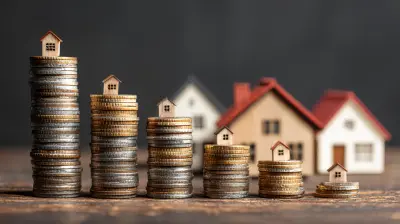
Top Red Flags in a Volatile Housing Market You Should Know
14 November 2026
Navigating a housing market can be daunting, especially when volatility creeps in. With prices fluctuating, interest rates rising, and economic indicators shifting, potential buyers and sellers need to stay alert for warning signs. Understanding these red flags can make a significant difference in your real estate decisions. Let's delve into the top red flags you should watch for in a volatile housing market.

Understanding Market Volatility
Before we tackle specific red flags, it's crucial to understand what a volatile housing market entails. Volatility refers to rapid changes in market conditions, often marked by sharp price increases or decreases. Factors contributing to volatility can include economic shifts, changes in government policy, natural disasters, and even social trends. A volatile market can create opportunities, but it also raises risks.Economic Indicators
While it's tempting to jump into the market, keep an eye on economic indicators such as employment rates, inflation, and consumer confidence. These factors can heavily influence housing demand and supply, ultimately affecting property values.1. Employment Rates: If job growth is stagnating or unemployment rates are rising, fewer people are likely to purchase homes, leading to a potential drop in demand and prices.
2. Inflation: High inflation can erode purchasing power, making it harder for buyers to afford homes. This can lead to stagnation or declines in the housing market.
3. Consumer Confidence: A lack of consumer confidence can signal decreased spending on homes. If consumers feel uncertain about their financial future, they may hesitate to invest in real estate.
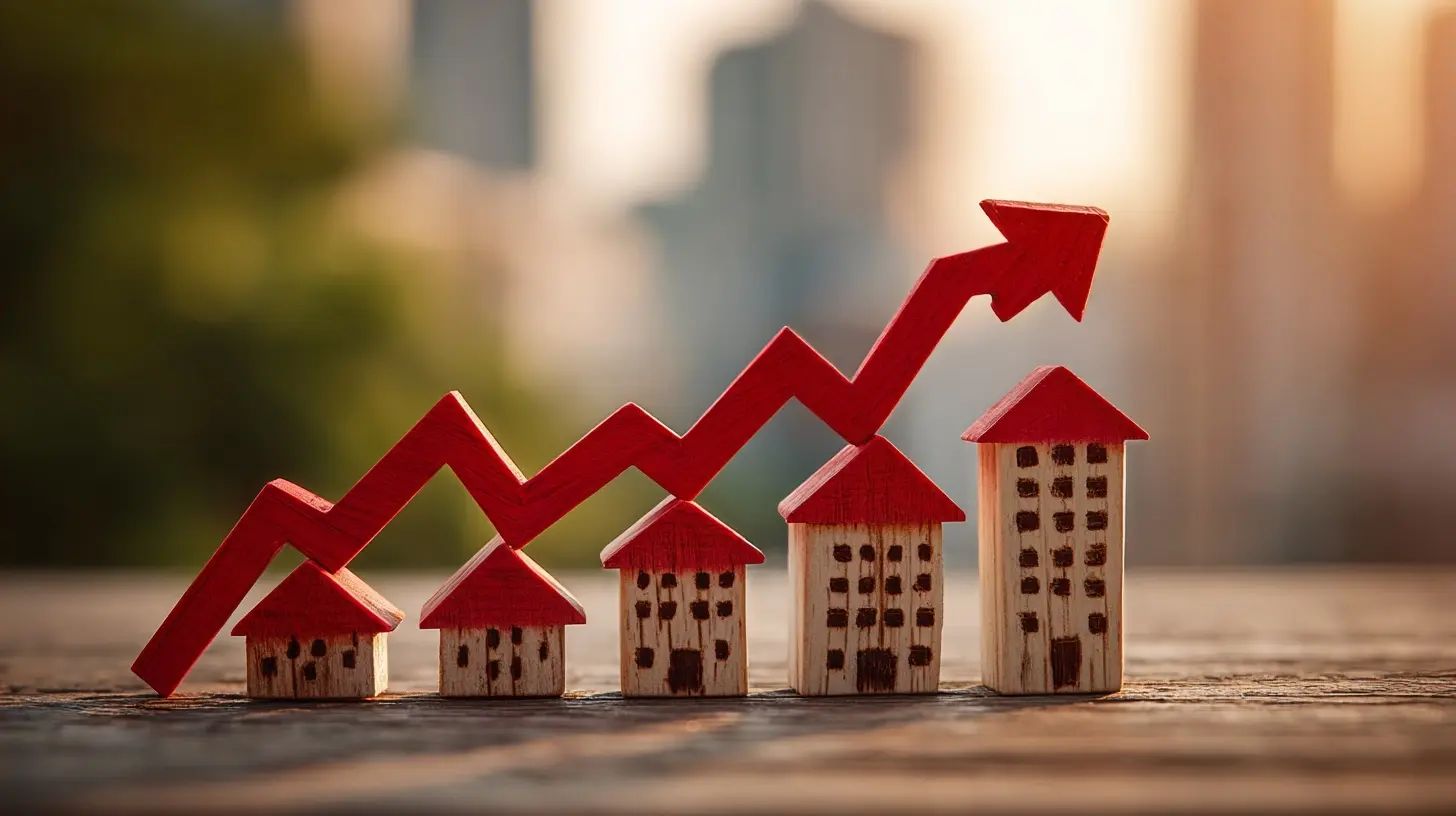
Red Flag #1: Dramatic Price Increases
One of the most significant red flags in a volatile housing market is a sudden spike in property prices. While increasing home values can indicate a thriving market, sharp increases often suggest instability.Why It Matters
Rapid price hikes can be driven by speculative buying. Investors may rush to purchase properties to take advantage of perceived value, which can create a bubble that eventually bursts.What to Watch For
- Comparative Analysis: Compare recent sales data in the area. If homes are selling for significantly more than similar properties, it may be a sign of market overheating.- Days on Market: If homes are selling faster than the historical average, it may indicate that buyers are rushing in without proper due diligence.
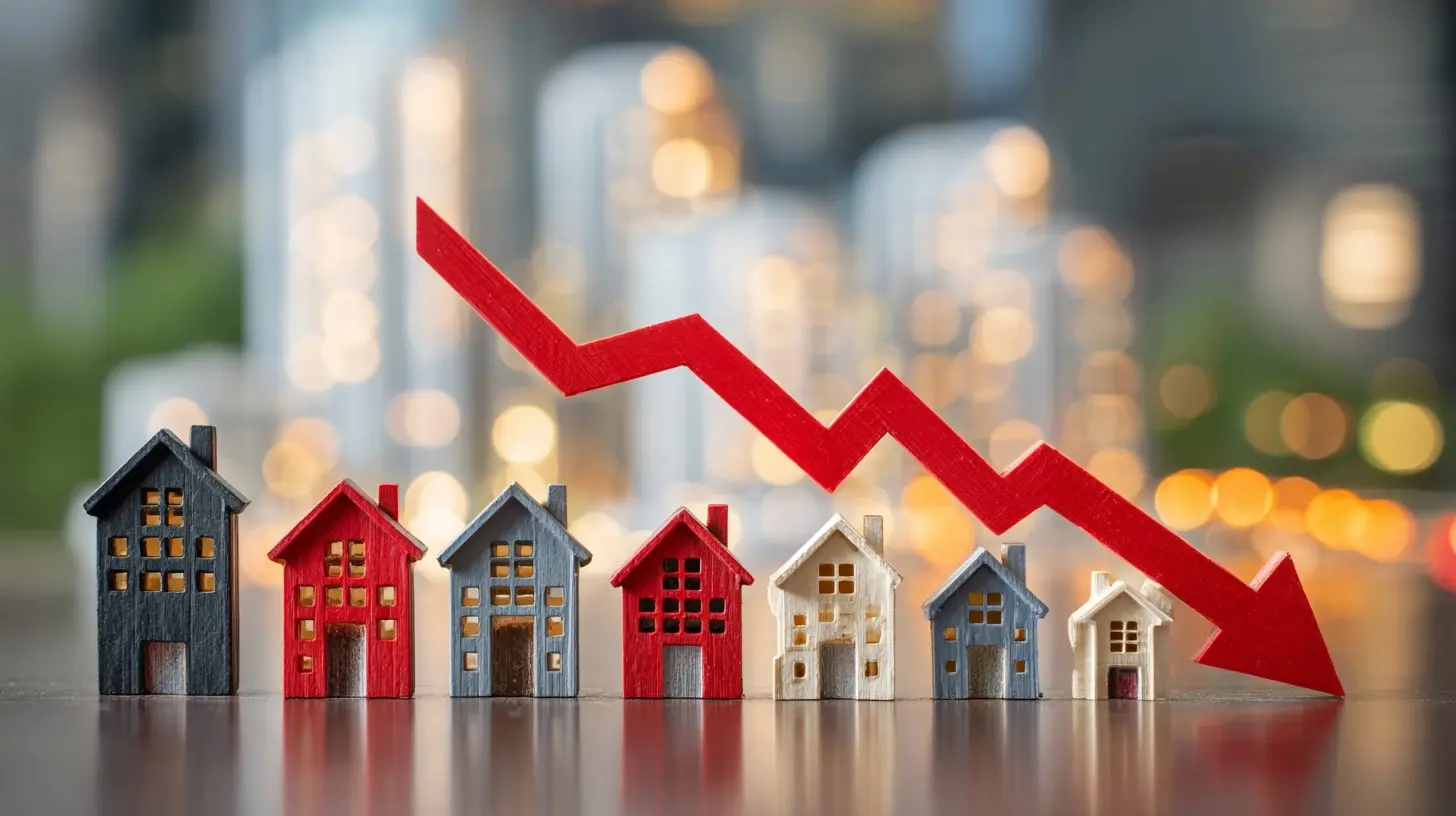
Red Flag #2: Overleveraged Buyers
In a volatile market, many buyers may stretch their financial limits to secure a home. Overleveraging-taking on excessive debt to purchase property-can lead to severe consequences.Why It Matters
When buyers stretch their budgets, they place themselves at risk if market conditions change. A sudden downturn could lead to financial distress or foreclosure for those unable to keep up with mortgage payments.What to Watch For
- High Debt-to-Income Ratios: If a buyer's debt significantly exceeds their income, they're likely overleveraged. A ratio above 36 percent is often considered risky.- Interest-Only Loans: These can appeal to buyers wanting lower initial payments, but they can lead to larger debts later, especially if property values decline.
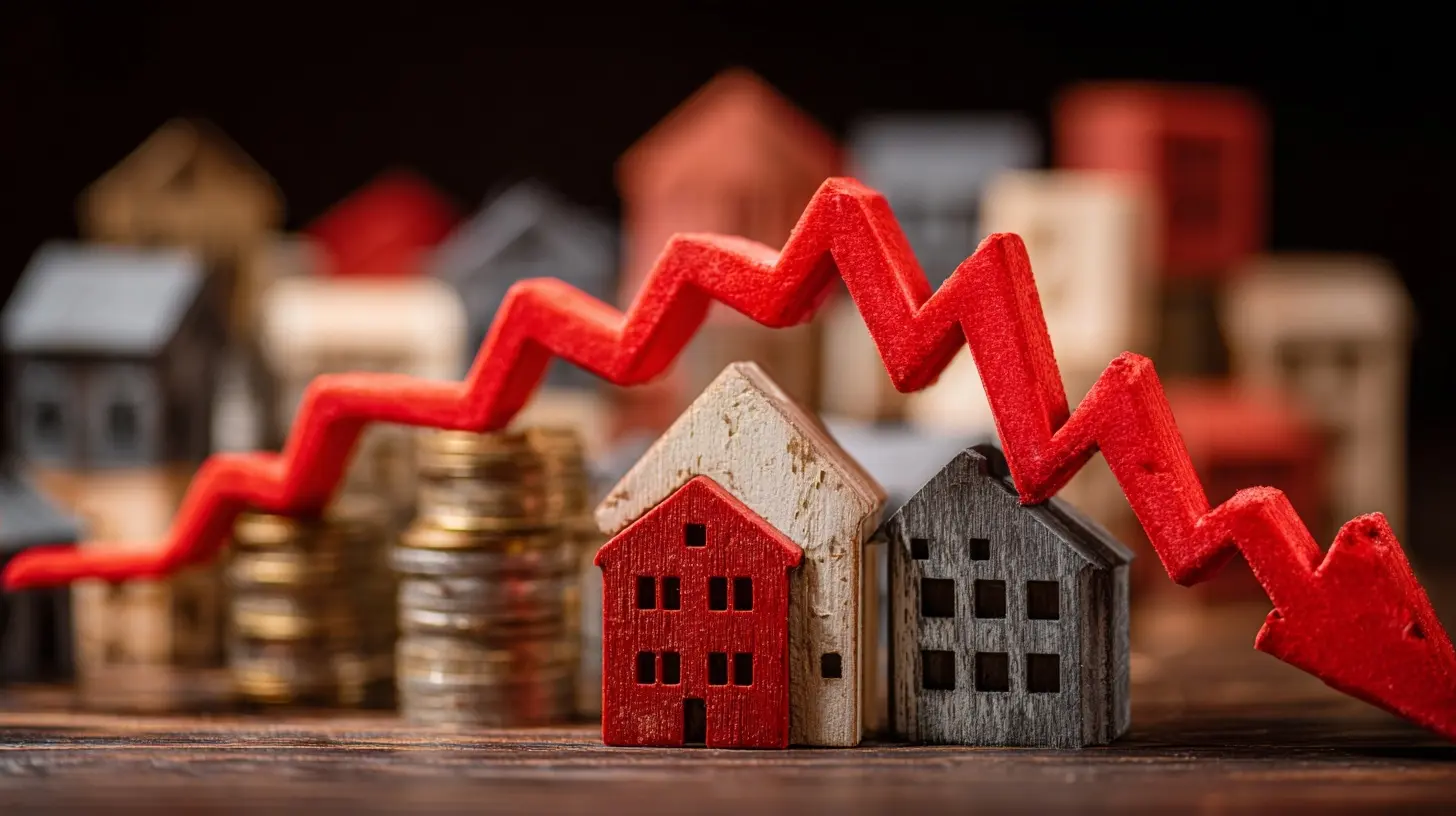
Red Flag #3: Increased Foreclosure Rates
An uptick in foreclosures can signal broader problems within the housing market. Foreclosures occur when homeowners are unable to meet their mortgage obligations, often resulting in properties being sold at auction.Why It Matters
Rising foreclosure rates can indicate that many homeowners are struggling financially. This can lead to a surplus of homes on the market, driving prices down further.What to Watch For
- Local Trends: Monitor foreclosure rates in specific neighborhoods. A spike in a particular area can indicate localized economic issues.- Market Reports: Keep an eye on real estate reports detailing foreclosure numbers and trends.
Red Flag #4: Shifting Demographics
Demographic changes can profoundly impact housing demand. If a community is experiencing significant shifts-such as population decline or changes in household composition-this can be a major red flag.Why It Matters
Housing markets thrive on demand, and if the local population is shrinking or the demographic profile is changing (such as an aging population), you may see reduced demand for homes.What to Watch For
- Population Trends: Research local census data or demographic reports to understand shifts in population.- Household Composition: An increase in single-person households may change demand for types of homes. For example, more demand for smaller units rather than family-sized homes.
Red Flag #5: Unstable Interest Rates
Interest rates play a pivotal role in the housing market. When rates are volatile, it can create uncertainty for buyers and sellers alike.Why It Matters
Rising interest rates increase borrowing costs, which can reduce demand for homes. If buyers perceive that rates will go higher, they may rush to purchase, creating further instability.What to Watch For
- Fed Announcements: Keep an eye on Federal Reserve policy changes, as these can impact mortgage rates.- Market Reactions: Observe how the housing market responds to interest rate changes. If sales drop significantly after a rate hike, it may indicate buyer hesitation.
Red Flag #6: Poor Inspection Reports
Before finalizing a purchase, buyers should always conduct thorough home inspections. If inspection reports reveal numerous issues, it should raise concerns.Why It Matters
A property with significant repair needs may not be worth the investment, especially in a volatile market. If the seller is unwilling to negotiate repairs or offer credits, this could be a sign of trouble.What to Watch For
- Inspection Findings: Look for reports indicating major structural issues, outdated systems, or signs of neglect.- Seller's Response: If a seller is unresponsive to repair requests, it may indicate financial distress or unwillingness to invest in the property.
Red Flag #7: High Inventory Levels
A market with a surplus of homes for sale can indicate waning demand. High inventory levels often suggest that sellers are having difficulty moving their properties.Why It Matters
When supply outstrips demand, prices may drop, leading to potential losses for sellers and less favorable conditions for buyers.What to Watch For
- Months of Supply: A balanced market typically has 5-6 months of inventory. If levels rise above this, it may indicate a buyer's market, which can lead to significant price drops.- Price Reductions: If homes are frequently seeing price cuts, it may signal that sellers are struggling to attract buyers.
Red Flag #8: Lack of New Construction
In a healthy housing market, new construction typically keeps pace with or exceeds demand. A slowdown in new housing developments can indicate that builders are wary of market conditions.Why It Matters
A lack of new homes can lead to increased competition for existing properties, driving up prices artificially and creating bubbles that may not be sustainable.What to Watch For
- Building Permits: Monitor local building permit applications. A decline in permits can indicate a lack of confidence in future market conditions.- Construction Delays: If you hear of multiple projects facing delays or cancellations, it may signal underlying economic instability.
Common Misconceptions to Avoid
The Market Always Recovers
While past performances can provide insights, they do not guarantee future outcomes. Just because a market rebounded previously does not mean it will do so again.All Properties Appreciate
Not all properties appreciate at the same rate. Factors such as location, condition, and market demand can lead to varied appreciation levels.Timing the Market is Easy
Many buyers believe they can time their purchase perfectly, but this is often unrealistic. Instead, focus on long-term value and suitability for your needs rather than short-term price fluctuations.Best Practices for Buyers and Sellers
For Buyers
- Research Thoroughly: Understand local market trends and get familiar with neighborhood dynamics.- Set a Budget: Avoid overleveraging yourself. Determine what you can afford and stick to it.
- Stay Flexible: Be prepared to negotiate and consider homes that may need some work.
For Sellers
- Price Strategically: Understand the competitive landscape. Price your home realistically based on current market conditions.- Invest in Repairs: Address major issues before listing. This can make your home more appealing to buyers.
- Stay Informed: Keep an eye on market trends and be prepared to adjust your strategy as conditions change.
Conclusion
Navigating a volatile housing market requires vigilance and understanding. By keeping an eye on these red flags, both buyers and sellers can make informed decisions that align with their financial goals and risk tolerance. Remember, while opportunities abound in volatile markets, it's crucial to proceed with caution and due diligence.
all images in this post were generated using AI tools
Category:
Housing Market TrendsAuthor:

Lydia Hodge