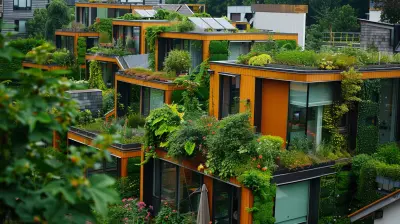
The Top Home Improvement Trends to Try in 2027
3 September 2026
The home improvement landscape is shifting faster than most homeowners realize. What worked in 2023 or 2024 will feel dated by 2027, not because styles changed on a whim, but because the underlying forces driving renovation decisions have fundamentally altered. Energy costs, climate volatility, remote work permanence, and an aging housing stock are no longer background noise. They are the primary drivers of how we remodel, what we prioritize, and where we spend our money.
If you are planning a renovation for 2027, you need to look past paint colors and cabinet hardware. The trends that will actually matter are the ones that solve structural problems: thermal inefficiency, water scarcity, indoor air quality, and the mismatch between our homes and our changing lifestyles. This guide breaks down the top trends with a focus on practical application, common pitfalls, and the reasoning behind each shift.
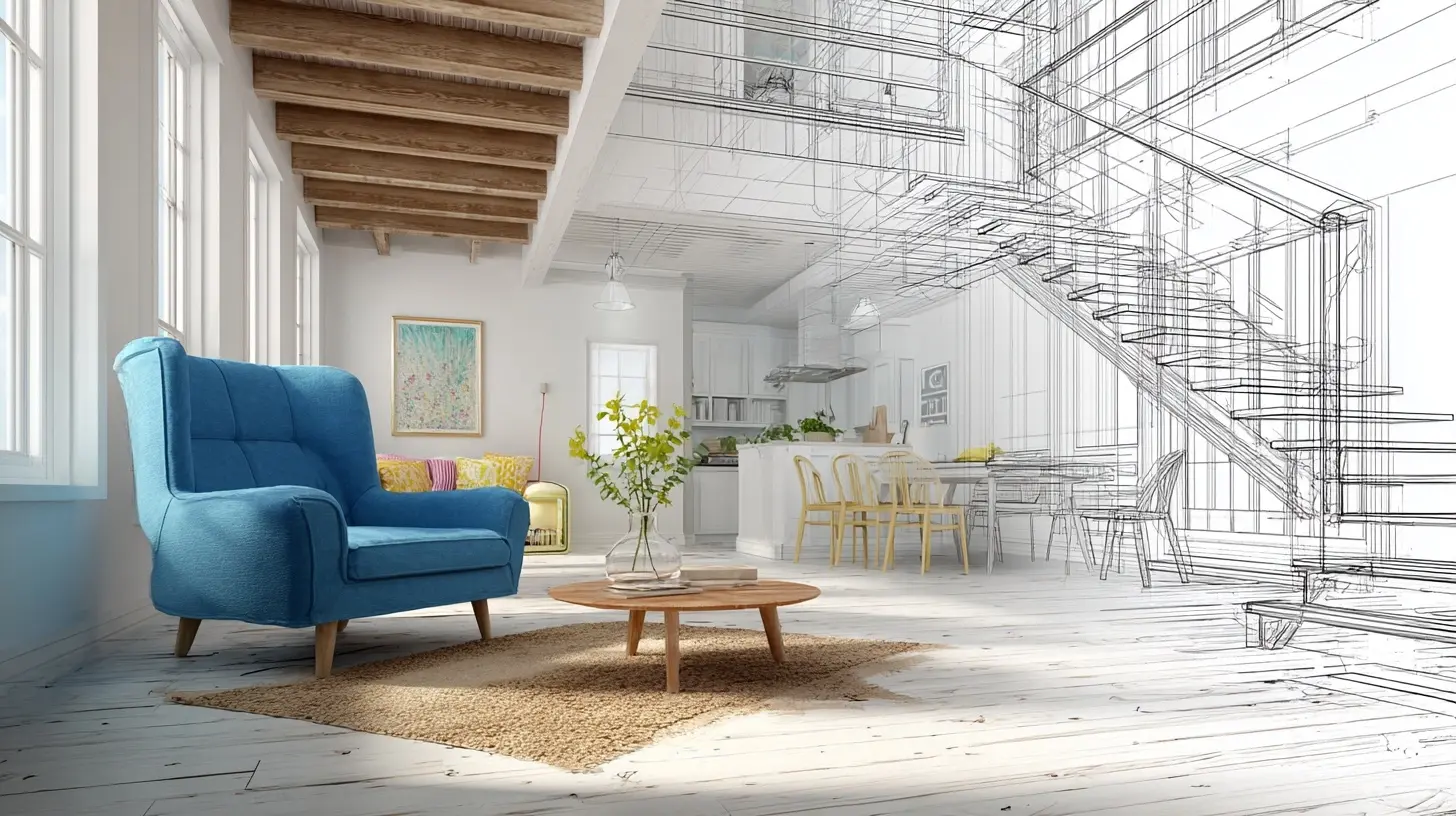
The Rise of the "Performance Retrofit"
For most of the last two decades, home improvement meant adding square footage or updating finishes. The 2027 mindset is different. It is about making the existing envelope work harder. A performance retrofit is not a single project. It is a comprehensive approach to upgrading a home's insulation, air sealing, mechanical systems, and window efficiency as one cohesive system.Why now? Utility rates have climbed steadily, and extreme weather events have exposed how poorly many homes handle temperature swings. A house that leaks conditioned air is a money pit, regardless of how beautiful the kitchen is.
The mistake most homeowners make is tackling this piecemeal. They replace windows one year, add attic insulation the next, and upgrade the HVAC three years later. Each improvement helps, but the house never reaches its full potential because the systems were not designed to work together.
A proper performance retrofit starts with an energy audit, specifically a blower door test and thermal imaging. This identifies exactly where air is escaping and where insulation is missing. Only then should you prioritize. In 2027, the best approach is to seal and insulate first, then address the mechanical system. If you install a high-efficiency heat pump into a leaky house, you are paying premium efficiency for a structure that cannot hold its breath.
The trade-off here is upfront cost versus long-term operational savings. A deep retrofit can cost 15 to 25 percent more than a standard reno, but the monthly utility savings can be dramatic, often 40 to 60 percent. More importantly, the comfort level changes. No more drafty rooms in winter or hot spots in summer.
Before you start, check for local utility rebates and federal tax incentives. Many programs now cover a significant portion of the audit and insulation costs. Do not assume your house is too old for this either. Even homes built in the 1980s can see massive improvements with modern air sealing techniques.
Heat Pumps Go Mainstream, But Sizing Matters
The heat pump is not new, but 2027 is the year it becomes the default choice for both heating and cooling, not just in mild climates but in cold regions that previously relied on furnaces. Modern cold-climate heat pumps can extract heat from outdoor air even at subzero temperatures. The technology has matured.The problem is that most installations are still done incorrectly. Contractors often size the unit based on square footage alone, leading to oversized systems that short-cycle, waste energy, and fail to dehumidify properly. The correct method is a Manual J load calculation, which accounts for insulation levels, window orientation, air leakage, and local climate data.
A properly sized heat pump runs longer at lower capacity, which is more efficient and maintains a steadier temperature. An oversized unit turns on and off frequently, wearing out faster and leaving rooms clammy in the summer.
Another misconception is that you must rip out your existing ductwork. Many high-quality ductless mini-split systems exist for homes without ducts, and they offer room-by-room control that forced-air systems cannot match. For homes with existing ducts, you can often keep them if they are in good condition and properly sealed.
Consider the backup question. In extreme cold snaps, even the best cold-climate heat pump may struggle. A hybrid system, where the heat pump handles most of the load and a gas furnace kicks in only below a certain temperature, gives you resilience without sacrificing efficiency. The decision depends on your local electricity and gas prices. In areas where electricity is cheap, skip the backup. Where gas is cheap, a hybrid makes financial sense.
Water as the New Luxury
For decades, the bathroom was the place to show off. Oversized soaking tubs, rain showers, and marble everything. The 2027 trend is far more pragmatic: water conservation that does not feel like sacrifice. This is driven by real shortages in the West and Southwest, along with rising municipal water rates everywhere.The shift is toward greywater systems that capture water from bathroom sinks, showers, and washing machines to irrigate landscaping. This is not a fringe idea. Several states have updated their building codes to make residential greywater systems easier to install legally.
The practical implementation starts with your plumbing layout. A greywater system requires separate drain lines that route to a filtration unit and then to your yard, not to the sewer. Retrofitting this into an existing home is invasive and expensive. It is far more feasible during a full bathroom remodel or an addition.
If a full greywater system is out of reach, look at point-of-use water heaters. These small tankless units sit under a sink or in a closet, eliminating the wait for hot water and the gallons wasted down the drain. They are cheap to install and pay for themselves quickly in households that use hot water frequently.
Another underrated trend is the dual-flush toilet upgrade kit. You do not need a new toilet. A simple mechanism change can reduce water use by up to 30 percent per flush. It is a ten-minute job that most homeowners can do themselves.
The luxury angle here is not about gold faucets. It is about smart irrigation controllers that use local weather data to adjust watering schedules automatically. A home with a lush, healthy landscape that uses 50 percent less water than the neighbor's is the new status symbol.

The Multipurpose Backyard
The pandemic-era obsession with outdoor living spaces has matured into something more deliberate. By 2027, the backyard is not just a patio with a grill. It is a fully functional extension of the home, designed for year-round use regardless of climate.This means covered structures are the star. Pergolas with adjustable louvers, retractable awnings, and fully enclosed screen rooms are replacing open decks. The key is thermal comfort. A shaded area is useless in July if the mosquitoes are eating you alive, and a screen room is pointless in November if it is freezing.
Consider a ceiling-mounted infrared heater for cooler months. These heat objects and people, not the air, so they work well in partially open spaces. For hotter climates, misting systems or high-velocity low-noise fans make a covered patio bearable even in the deep summer.
The bigger trend is the outdoor kitchen becoming a true cooking station, not just a grill island. Think about a built-in wok burner, a wood-fired pizza oven, and a sink with hot and cold running water. This requires a gas line and a drain line, which means you need to plan the location carefully relative to your home's utility access.
Do not forget the flooring. Concrete pavers that interlock and allow for drainage are superior to solid slabs because they do not crack from frost heave and they handle rainwater better. The mistake is using indoor-grade materials outdoors. They fade, warp, and become slip hazards.
The real value of the multipurpose backyard is increased usable square footage. A well-designed outdoor room can add the equivalent of a family room to your home's living area for a fraction of the cost of an actual addition.
Home Offices That Respect Acoustics
Remote work is not going away, but the home office trend has shifted from "any corner with a desk" to "a dedicated room that functions like a professional studio." The biggest complaint among remote workers is not lack of space. It is noise.Open floor plans are terrible for video calls. The sounds of the dishwasher, the dog, or someone walking on the floor above all travel. The 2027 trend is acoustic treatment, not in the cheap foam panel sense, but through construction.
If you are building or converting a room, install sound-dampening insulation inside the walls. This is not standard fiberglass. It is dense mineral wool that absorbs sound and also adds fire resistance. The cost difference is minor compared to the overall renovation budget.
The next step is solid core doors with proper weatherstripping. Hollow interior doors transmit sound like a drum. Swapping to a solid core door and sealing the gaps around the frame reduces noise transmission dramatically.
Consider the ceiling. If your office is on the first floor and someone walks on the second, you need acoustic ceiling tiles or a drop ceiling with insulation above. This is a common oversight that ruins the functionality of the space.
Lighting matters too, but not for aesthetics. For video calls, you need even, diffused light that does not create harsh shadows. Avoid a window directly behind your desk, as it will blow out your camera exposure. Position your desk perpendicular to the window and use a softbox or ring light in front of you.
The biggest misconception is that you need to spend a fortune on acoustic panels. Strategic placement of bookshelves filled with books, upholstered furniture, and thick area rugs can absorb a surprising amount of echo. The goal is a room that sounds dead, not live, when you are on a call.
Induction Cooking Becomes the Safe, Smart Choice
Gas stoves are facing a slow but steady decline in new installations, not due to regulation in most areas, but because of indoor air quality concerns and the superior performance of modern induction ranges. Induction uses an electromagnetic field to heat the pan directly, leaving the cooktop surface cool to the touch.The speed and control are genuinely better than gas. Water boils faster, and you can adjust temperature with the precision of a laboratory burner. The learning curve is real, though. Cooks who are used to seeing a flame struggle to trust a surface that does not look hot. But within a week, most prefer it.
The practical issue is your cookware. Induction requires pots and pans with a ferrous base. If your current set is aluminum or copper, it will not work. You can test with a magnet. If it sticks, it works. Many quality stainless steel and cast iron pans are fine, but some budget sets are not.
For a 2027 remodel, plan for a dedicated 220-volt circuit for the induction range. Most new homes have this, but older homes may need an electrician to run a new line. This is not a DIY job. Factor in the cost.
Why is this trending now? Beyond the health aspect of not burning natural gas indoors, induction ranges are easier to clean because food does not bake onto a hot surface. They are also safer for households with children or elderly residents, as there is no open flame and the surface cools quickly.
The trade-off is that during a power outage, an induction range is useless, whereas a gas stove can be lit with a match. If you live in an area with frequent outages, consider a hybrid setup or a portable induction burner as a backup.
Smart Storage That Adapts to Changing Needs
The trend of custom built-in shelving is giving way to modular systems that can be reconfigured as your life changes. The pandemic taught us that a home office can become a classroom, which can become a workout studio, which can become a guest room, all within a few years.Fixed cabinetry is beautiful but inflexible. The 2027 approach uses freestanding modular units that can move to different rooms or change their internal layout. Think of a wall of shelving that uses adjustable brackets and movable dividers, not glued-in shelves.
This is particularly relevant for pantries and mudrooms. A family's storage needs change dramatically as children grow. A system that allows you to move shelves up and down, add bins, or remove sections entirely gives you longevity.
The mistake is buying cheap wire shelving or flimsy plastic units. They collapse under weight and look terrible. Invest in heavy-duty systems with solid wood or metal components that can withstand years of adjustment.
The other angle is vertical storage. Most homes waste the space above eye level in closets and garages. A ceiling-mounted rack system for seasonal items, luggage, or sports equipment can double your storage capacity without taking up floor space.
For kitchens, the trend is not more cabinets but smarter drawers. Deep drawers with internal dividers for pots, lids, and small appliances reduce the need to dig through dark cabinets. Pull-out pantry shelves that bring everything to the front are worth the cost.
The key principle is that storage should be designed around your current habits, but built to allow for change. Avoid custom-fit solutions that only work with one specific set of items.
The Return of the Dedicated Laundry Room
Laundry rooms were shrinking or disappearing in favor of closet washers and dryers in hallways. The 2027 trend reverses this, not out of nostalgia, but because of the multifunctionality of the space.A proper laundry room now serves as a mudroom, a pet washing station, a craft area, and a drop zone for dirty gear. The washer and dryer are just the anchor. The real value is the utility sink with a pull-down faucet for hand-washing delicate items or rinsing muddy shoes.
The trend includes a dedicated space for air drying. Delicates and athletic wear should not go in the dryer. A retractable clothesline or a wall-mounted drying rack over the washer makes this convenient.
Consider a countertop over the machines for folding. This seems obvious, but many laundry rooms skip it to save space. The result is that you fold clothes on the dining table, which adds friction to a daily chore.
The flooring must be waterproof or water-resistant. Luxury vinyl tile is the best choice because it handles spills and is comfortable underfoot. Avoid carpet and hardwood.
One of the most practical additions is a small dog wash station, which is essentially a shallow shower stall with a handheld sprayer. If you have a large dog, this saves you from bending over a bathtub and keeps mud out of your main bathroom. It adds value in a niche way, but for pet owners, it is a game-changer.
The common mistake is placing the laundry room far from the bedrooms. If you have to carry laundry across the house, you will do less of it. If possible, locate it near the master closet or the hallway where most of the dirty clothes accumulate.
Exterior Maintenance Goes Low-Impact
Curb appeal in 2027 is less about a perfect green lawn and more about resilience and low water use. The trend is toward native plant landscaping that requires no irrigation once established.This is a philosophical shift for many homeowners. A perfectly manicured lawn is a status symbol in some neighborhoods, but it is also a massive waste of water and time. The new status is a yard that looks intentional and thrives without constant attention.
If you are not ready to rip out your lawn, consider reducing its size. Plant a border of native shrubs and perennials that attract pollinators. Replace the grass in hard-to-water strips with ground cover or permeable pavers.
The practical issue is the transition period. A native garden takes two to three years to establish. It looks sparse and weedy at first. You need to be patient and willing to hand-water during the first year. The payoff is a landscape that is virtually maintenance-free.
Another trend is the use of permeable hardscaping. Driveways and walkways made of porous concrete or interlocking pavers allow rainwater to soak into the ground instead of running off into storm drains. This reduces flooding and recharges groundwater. Many municipalities now offer incentives for this type of installation.
The mistake is choosing plants that are native to your region but not suited to your specific microclimate. A plant native to the coast may not survive in a dry inland area. Do your research or consult a local nursery that specializes in native species.
The Truth About Resale Value
A common question is whether these trends will pay off when you sell. The honest answer is that most do not return their full cost. A major kitchen remodel averages a return of about 60 to 75 percent on resale. A performance retrofit may return even less because the improvements are invisible to a buyer.However, that does not mean you should skip them. The value of these upgrades is in your enjoyment and reduced operating costs while you live there. The resale bump is a bonus, not the primary reason.
If you are renovating specifically to sell, focus on the basics: a fresh, neutral interior, updated bathrooms, and good lighting. Do not install a greywater system or a heat pump for a buyer who may not understand them. They will not pay a premium for features they do not recognize.
If you are renovating to stay, the calculus is different. You will benefit from lower bills and higher comfort for years. The payback period for most energy upgrades is five to ten years. After that, it is pure savings.
The worst mistake is over-improving for your neighborhood. If you put a $150,000 kitchen into a $300,000 house, you will not get your money back. The same logic applies to the trends in this article. Match the scope of your renovation to the value of your home and your expected tenure.
Planning for the Unexpected
Every renovation has surprises. The best way to handle them is to build a contingency fund of 15 to 20 percent of the total budget. This is not a suggestion. It is a necessity.For 2027 trends specifically, the surprises often come from behind the walls. When you open up a wall for insulation or new plumbing, you may find outdated wiring, knob-and-tube, or hidden water damage. These are not optional fixes. They must be addressed.
Another planning consideration is timing. Skilled labor is still in high demand, and specialty contractors for heat pumps or greywater systems may have long lead times. Book your contractor early and be prepared to wait for materials.
Finally, do not forget permits. Many of the trends described here require permits, especially electrical work for induction ranges, plumbing changes for greywater systems, and structural modifications for added roofs. Skipping permits can cause problems when you sell or when you file an insurance claim.
The most successful renovations in 2027 will not be the flashiest. They will be the ones that make the home more comfortable, more efficient, and more adaptable. The trends above are not about following a style. They are about making your home work better for the way you actually live.
all images in this post were generated using AI tools
Category:
Home ImprovementAuthor:

Lydia Hodge