How to Make Your Bathroom Feel Like a Spa
3 August 2026
There is a quiet promise in the word "spa." It suggests warmth, stillness, and the deliberate removal of urgency. Most bathrooms, however, are built for speed: a shower before work, a quick toothbrushing, a hurried exit. The gap between those two realities is not about square footage or budget. It is about intention. You can turn an ordinary bathroom into a place that resets your nervous system, but only if you stop thinking about decoration and start thinking about sensation.
The mistake most people make is copying a spa's visual style without understanding why it works. A bamboo mat and a candle are not enough. A spa is engineered to reduce cognitive load. Every surface, every sound, every temperature choice is designed to tell your brain that nothing is required of you right now. Your bathroom can do the same, but it requires a different kind of attention than you might expect.
The Problem with "Spa Day" Thinking
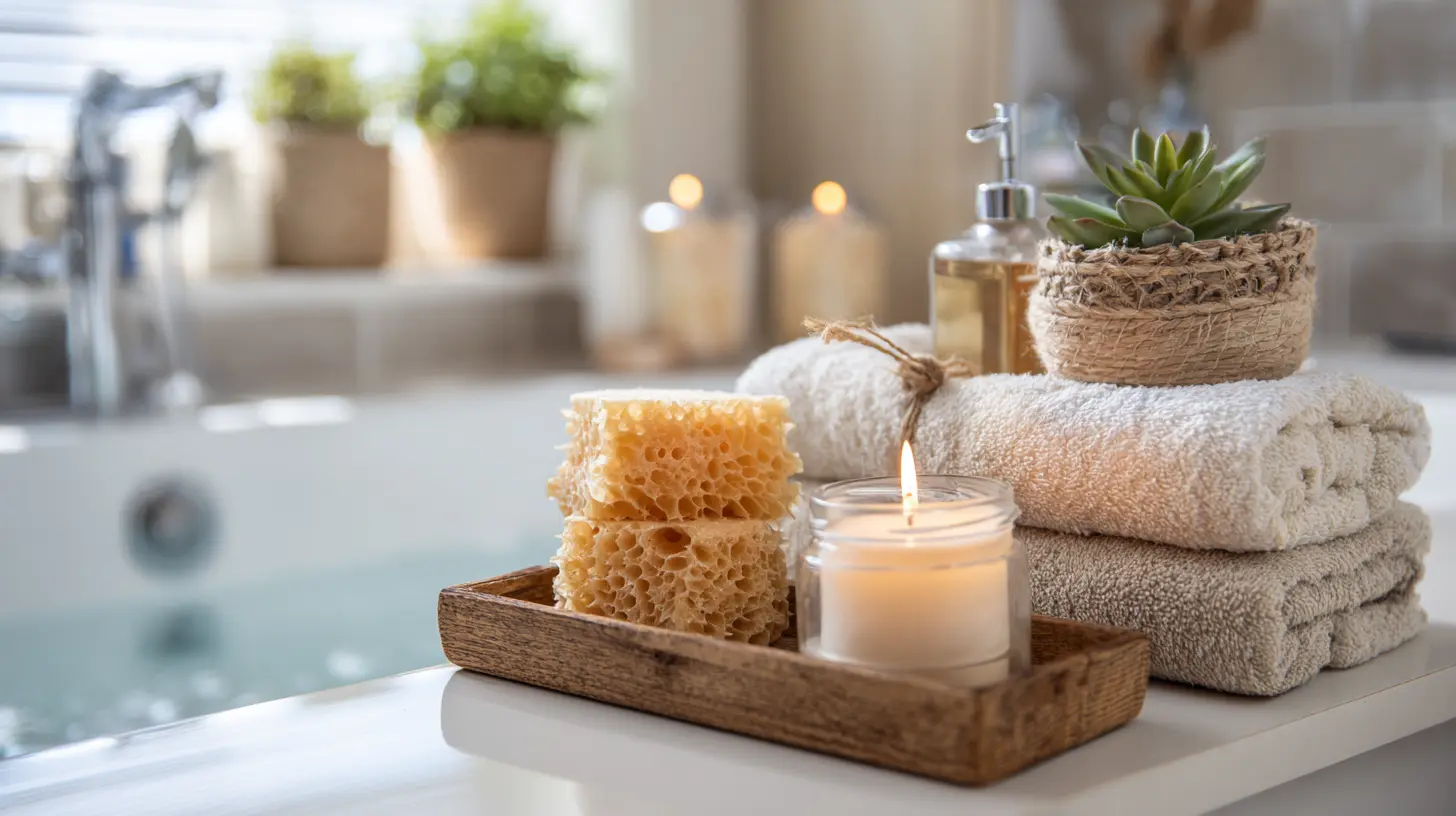
Most articles on this topic tell you to buy fluffy towels and call it a day. That approach fails because it treats relaxation as an accessory rather than an experience. A towel is only fluffy for a few washes. A candle loses its scent after an hour. If your bathroom still feels like a utility closet, no amount of scented wax will fix it.The deeper issue is that bathrooms are often the smallest, most neglected room in a house. They are damp, poorly lit, and filled with hard surfaces that echo. To make one feel like a spa, you have to address those structural realities first. You cannot layer luxury over discomfort and expect it to stick.
Think about what a spa actually does. It controls temperature, light, sound, and smell. It removes clutter. It gives you permission to slow down. Your bathroom can do all of that, but you have to be honest about what is working against you.
Start with Light, Not Candles
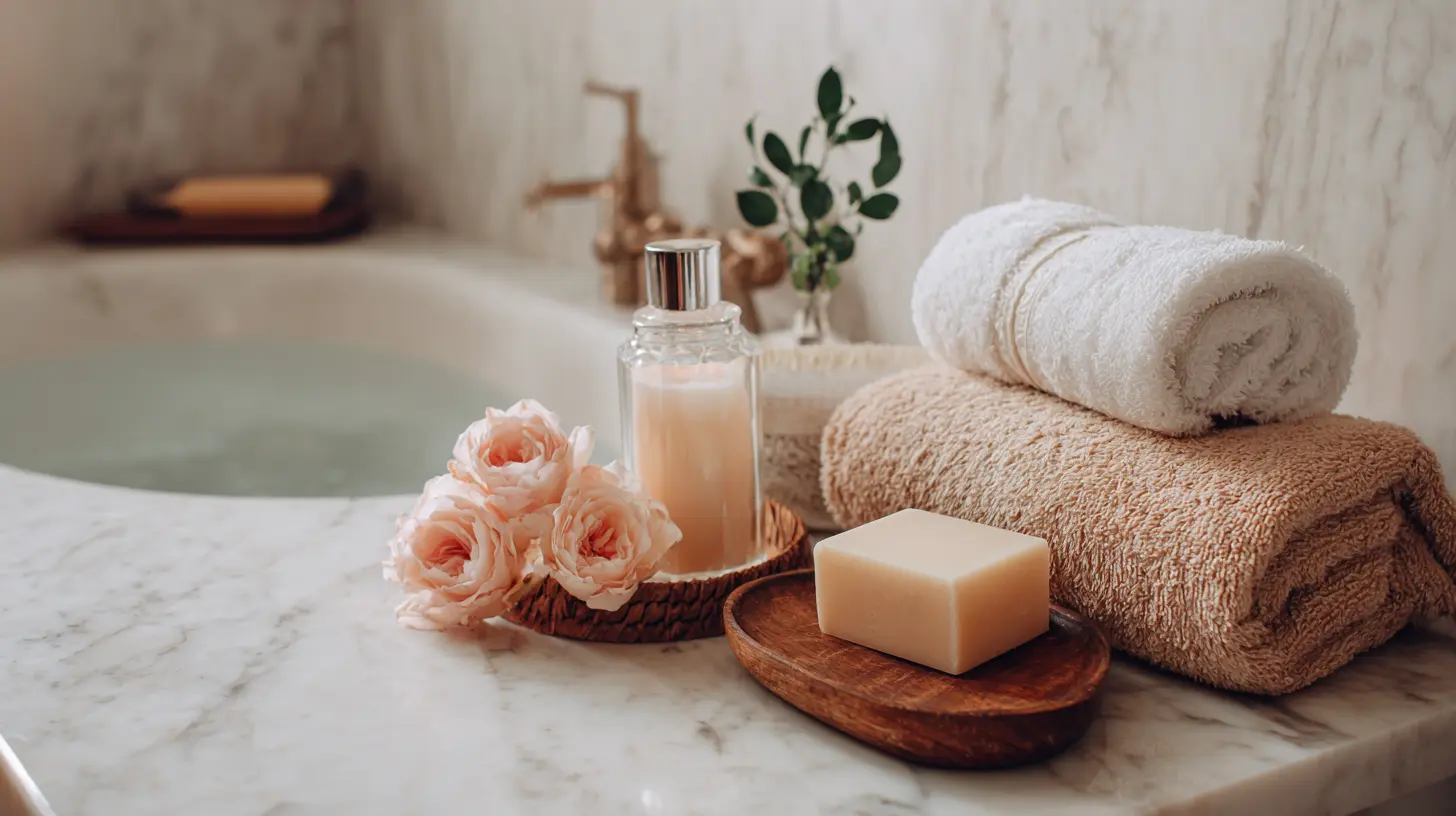
Light is the single most powerful tool you have, and it is the most ignored. Most bathrooms rely on a single overhead fixture that casts harsh shadows. That is the opposite of a spa. A spa uses layered lighting: soft ambient light, focused task light, and accent light that draws the eye to texture.You do not need a renovation to fix this. A dimmer switch on your existing overhead light is the cheapest and most effective change you can make. If you cannot install a dimmer, use a lower-wattage bulb with a warm color temperature. Look for 2700K or lower. Daylight bulbs, which are often 5000K, make a room feel like a hospital corridor.
Add a small lamp on the counter or a wall sconce at eye level. The goal is to create pools of light rather than one flat wash. When you stand at the sink, you want light on your face, not from above. When you are in the tub, you want the light low and indirect.
One thing to avoid is colored LED strips. They look futuristic in photos but feel like a casino in person. Stick to warm white and let the shadows do the work. Shadows are not your enemy. They create depth, and depth creates calm.
Sound is the Forgotten Sense
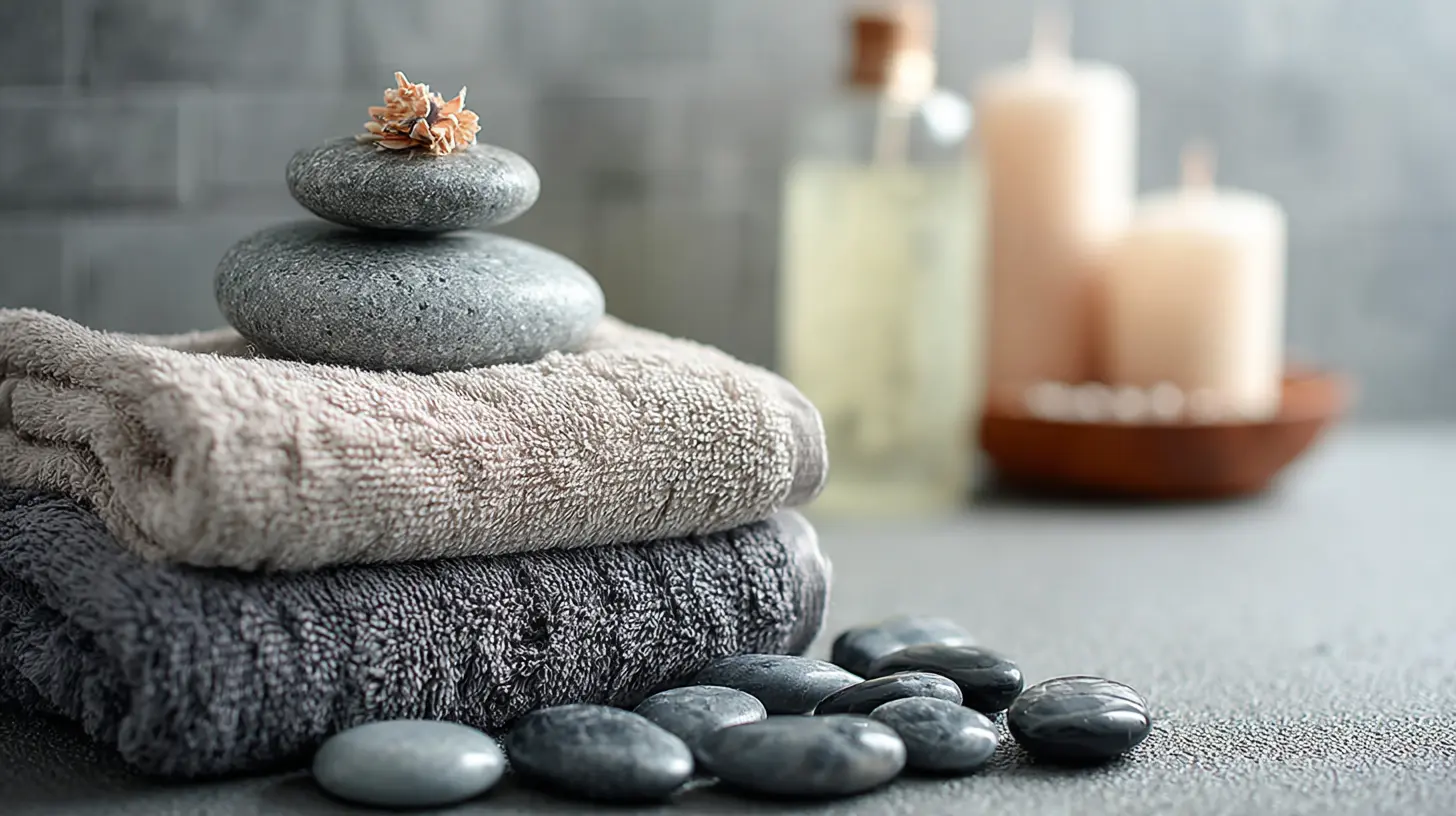
People obsess over visuals but forget that a spa is quiet. Not silent, but quiet in a specific way. There is no hum from a loud exhaust fan, no drip from a faucet, no echo off tile walls. Sound is the fastest way to break the illusion of a spa.First, fix the mechanical noises. A rattling exhaust fan is a relaxation killer. Clean it, tighten it, or replace it with a modern low-sone model. Sone is a measure of loudness; look for a fan rated at 1.0 sone or lower. That is barely audible. If you rent and cannot replace the fan, run it for ten minutes before your bath, then turn it off.
Second, introduce a masking sound. A small Bluetooth speaker playing rain or brown noise works, but you do not need electronics. A tabletop water fountain is a classic choice, but they can be finicky to clean. A simpler option is to leave the bathroom door slightly open and let the sound from a white noise machine in the bedroom drift in. The point is not to hear something; it is to hear nothing jarring.
If you have hard tile floors, a thick bath mat or a small rug will absorb some of the echo. That is not just for comfort. It changes the acoustics of the room. You will notice the difference immediately when you speak or run the water.
Temperature is a Tool, Not an Afterthought
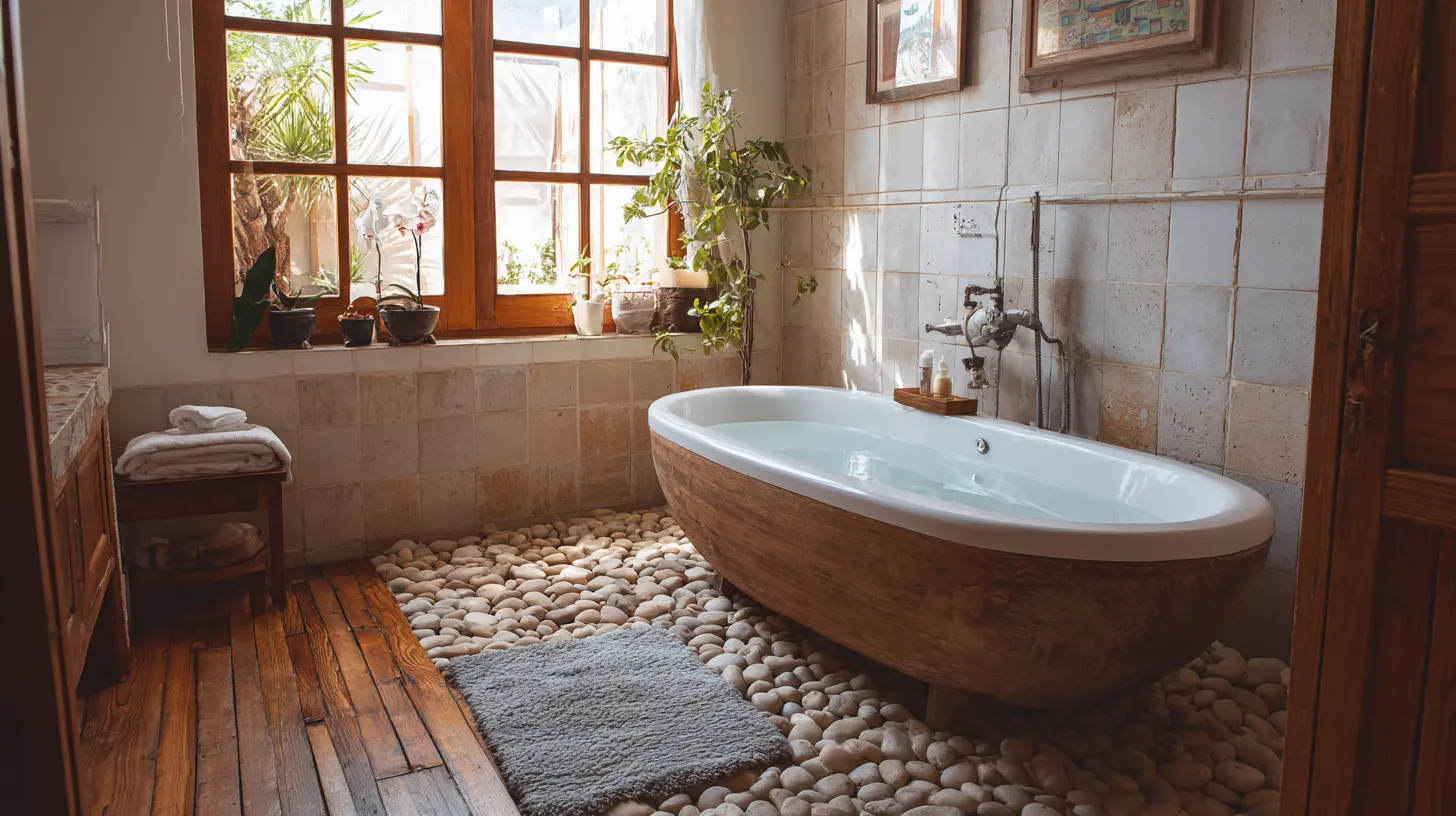
A spa is warm. Not hot, but warm enough that your skin never tightens. Bathrooms are often the coldest room in the house because they are small and poorly insulated. You cannot fix that with a space heater alone, although that helps.The real trick is to think about temperature in layers. Warm the air, warm the surfaces you touch, and warm the water to the right degree. A towel warmer is not a luxury item; it is a practical way to eliminate the shock of stepping out of a bath. You can buy a small plug-in towel warmer for under a hundred dollars, or you can simply hang your towel on a heated rack if you have one.
For the water itself, most people make the mistake of going too hot. A hot bath feels good for the first five minutes, then it drains your energy. The ideal bath temperature is around 98 to 102 degrees Fahrenheit, which is close to your body temperature. Any hotter and you will sweat, feel dizzy, and want to get out early. Any cooler and you will not relax. Use a thermometer if you are not sure. It sounds fussy, but it works.
The shower is different. A spa shower often uses a rainfall head because the water pressure is lower and the coverage is wider. That creates a different sensation than a narrow, high-pressure stream. You do not need to replace your showerhead, but you can. A handheld showerhead with multiple settings gives you control over pressure and pattern. The key is to vary the experience. Start warm, end with a cool rinse. That contrast is what wakes up your circulation and makes you feel refreshed rather than sluggish.
Declutter Like You Mean It
This is the hardest part for most people. Bathrooms accumulate stuff: half-used bottles, old razors, expired sunscreen, hotel shampoos you will never use. All of that visual noise tells your brain that there is work to do. A spa has almost nothing on the counter. You need to get there.Start with the counter. Keep only the items you use daily: soap, a toothbrush, maybe a moisturizer. Everything else goes in a cabinet or a drawer. If you do not have storage, buy a small caddy or a shelf that mounts on the wall. The goal is to have clear horizontal surfaces.
Next, tackle the shower. You do not need twelve bottles. You need shampoo, conditioner, and a body wash. If you use a face wash or a scrub, keep it to one or two items. Match your bottles. Decant your products into uniform containers if you can. That is a small effort that has a huge visual payoff. When every bottle looks the same, the eye stops jumping around.
Finally, hide the trash can. A visible trash can with a lid is a reminder of waste. Put it under the sink or in a cabinet. If you must keep it out, get one that is small and neutral colored. The same goes for cleaning supplies. A toilet brush in a holder is necessary, but it does not need to be on display. Tuck it under the sink or behind the toilet.
The Texture of Calm
Your skin is your largest organ, and it is constantly sending signals to your brain. A spa is full of soft, warm, textured surfaces. Your bathroom is probably full of cold, hard, slippery ones. You can change that without a remodel.The first upgrade is your bath mat. Most people buy a thin cotton mat that gets wet and stays wet. Replace it with a plush, quick-drying mat made from bamboo or a microfiber blend. You want something that feels good under bare feet. That is a non-negotiable.
The second upgrade is your towel. This is where people get it wrong. They buy a huge, thick towel that takes forever to dry and ends up smelling musty. A better choice is a mid-weight towel made from Turkish cotton or a linen blend. It should be absorbent but not heavy. Hang it on a bar where it can dry fully between uses. If you have a towel warmer, use it. The warmth is not just for comfort; it helps the towel dry faster.
The third upgrade is a robe. You do not need a fancy one. A simple cotton waffle robe or a plush terry robe works. The point is to have something to put on after your bath that is not a regular outfit. That small ritual, the act of wrapping yourself in a robe, signals that the relaxation is not over yet.
Scent, Done Right
Scent is the most direct route to memory and emotion. A spa uses scent sparingly. You do not want a strong perfume; you want a subtle presence that you notice only when you breathe deeply.The best option is a high-quality essential oil diffuser. Not a candle, not a plug-in, not a spray. A diffuser releases a fine mist that fills the room evenly without the smoke or soot of a candle. Choose one or two scents that you associate with calm: lavender, eucalyptus, cedarwood, or bergamot. Do not mix too many. One scent is enough.
If you prefer candles, use them for the flame, not the smell. A candle with a low, steady flame creates a sense of ritual. But be careful with placement. A candle on the edge of a tub is a fire hazard. Put it on the counter or a shelf, away from towels and curtains.
A common mistake is using a strong scent to cover up a bad smell. That does not work. If your bathroom smells musty or like mildew, you have a moisture problem. Fix that first. Run the fan, wipe down the shower after use, and address any leaks. Scent is the finishing touch, not the foundation.
The Ritual of Time
A spa is not a place; it is a duration. You cannot make your bathroom feel like a spa if you are in a hurry. The room can be perfect, but if you are rushing, it will not matter. This is the part that no product can solve.What you can do is create a routine that forces you to slow down. Set a timer for fifteen minutes. That is enough for a bath or a long shower. Put your phone in another room. This is critical. A phone on the counter is a direct line to stress. If you need music, use a dedicated speaker, not your phone.
Make the ritual repeatable. The same steps every time: light the candle, start the water, add the salts, sit down, breathe. Repetition is what makes it feel like a ritual rather than a random act. Your brain learns to associate those steps with relaxation, and over time, the relaxation comes faster.
When to Renovate and When to Rent
If you own your home, you have more options. You can replace the vanity, install a soaking tub, or add a skylight. But you do not need to do any of that to get the effect. A renovation is justified only if the current layout is actively working against you. For example, if the shower is too small to move your arms, or if the lighting is so bad you cannot see yourself in the mirror, then a change makes sense.If you rent, focus on what you can change without permanent damage. A new showerhead is usually a simple swap. A dimmer switch is a small electrical project that you can reverse. A towel warmer is a plug-in appliance. You can change the hardware on your cabinets, add a new mirror, and repaint the walls. All of that is reversible.
The biggest mistake in either situation is overbuilding. A spa is not about having a huge tub or a rain shower. It is about the feeling you get when you step inside. You can have a tiny bathroom with a shower stall and still make it feel like a sanctuary. The size of the room is irrelevant. What matters is the quality of the experience.
Common Misconceptions, Corrected
One misconception is that you need to spend a lot of money. That is false. The most effective changes are behavioral and organizational. Decluttering costs nothing. Adjusting your lighting costs a few dollars. Fixing a noisy fan costs an hour of your time. The expensive items, like a new tub or custom tile, are nice but not necessary.Another misconception is that a spa bathroom must be white and minimalist. That is a style choice, not a requirement. A spa can be warm and dark, with wood tones and deep colors. The key is consistency. If you have a lot of clutter and bright colors, the room will feel chaotic. If you have a few well-chosen pieces and a calm color palette, it will feel serene. The color itself is less important than the lack of visual noise.
A third misconception is that you need to be a certain kind of person to enjoy a spa bathroom. That is not true. The benefits are physical as well as mental. A warm bath can ease muscle tension. A quiet environment can lower your heart rate. A clean, organized space can reduce anxiety. These are not luxuries; they are basic human needs. Your bathroom is the one room in the house where you are alone with your body. It deserves more thought than a quick coat of paint.
The Final Layer: Maintenance
A spa bathroom is not a one-time project. It requires upkeep. The towels need to be washed. The diffuser needs to be refilled. The surfaces need to be wiped down. If you let it slide, the room will revert to a regular bathroom.The trick is to make maintenance part of the ritual. Wipe down the shower after every use. Hang your towel to dry. Empty the trash regularly. Spend five minutes at the end of the week cleaning the sink and the mirror. That is not a chore; it is a way of honoring the space you created.
If you do that, the room will continue to work for you. If you do not, it will become just another room with a drain. The choice is yours.
all images in this post were generated using AI tools
Category:
Home ImprovementAuthor:

Lydia Hodge
Discussion
rate this article
1 comments
Storm Perry
Focusing on lighting and textures can transform your bathroom into a relaxing retreat.
August 7, 2026 at 10:54 AM