Creative Ways to Market Your Home in 2026
1 October 2026
The way buyers find homes has changed more in the past five years than in the previous twenty. By 2026, the typical buyer has already formed an opinion about your property before they ever step through the front door. That opinion is built from search results, short-form video, map views, AI-generated summaries, and the quiet signals your listing sends about how well the home has been cared for.
Most sellers still default to the same playbook: tidy the house, take photos, list on the MLS, host an open house, wait. That approach is not wrong, but it is no longer enough. It treats marketing as a single event rather than a campaign. The sellers who consistently get stronger offers in this environment do something different. They build a narrative around the home, distribute it across channels that match how people actually shop, and give buyers reasons to remember the property after they close the browser tab.
This guide covers creative, practical ways to market a home in 2026. It is written for sellers, agents, and anyone who wants to understand what actually moves the needle versus what just looks busy.

Start With Positioning, Not Promotion
Before you shoot a single video or write a single caption, decide what your home is. This sounds abstract, but it drives every downstream decision.Positioning answers one question: who is the most likely buyer, and what do they care about? A 1960s ranch near a growing tech corridor is not the same product as a new build in a master-planned community, even if they sit three miles apart. The ranch might appeal to a buyer who wants land, character, and renovation potential. The new build appeals to someone who wants turnkey living and a warranty.
Why this matters: marketing that tries to speak to everyone speaks to no one. When you know your buyer, you can choose the right channels, the right tone, and the right details to highlight. A home marketed to remote workers should emphasize the home office, internet reliability, and quiet. A home marketed to downsizers should emphasize single-floor living, low maintenance, and proximity to healthcare and walkable errands.
A useful exercise: write a one-paragraph profile of your ideal buyer as if you were describing a real person. Where do they spend time online? What are they worried about? What would make them choose your home over the one two streets over? If you cannot answer those questions, your marketing will be generic, and generic listings get scrolled past.
The Difference Between Features and Reasons
Sellers love features. Buyers buy reasons.A feature is "updated kitchen with quartz countertops." A reason is "you can cook and still see the kids doing homework at the island." The feature describes the home. The reason describes the buyer's life in the home.
This distinction should shape your listing copy, your video scripts, and your social posts. Features are necessary for search and for factual accuracy. Reasons are what make someone schedule a showing. The best listings in 2026 blend both: they satisfy the algorithm and the human at the same time.

Video That Goes Beyond the Walkthrough
Standard listing videos still work, but they have become wallpaper. Everyone has them. The creative edge in 2026 comes from video that does something a slideshow cannot.Short-Form Vertical Tours
Vertical video for platforms like Instagram Reels, TikTok, and YouTube Shorts remains one of the highest-reach tools available to sellers. The format rewards personality and pacing over production budget. A phone, decent light, and a clear plan can outperform a costly drone shoot.What works: a 30 to 60 second tour that leads with the single most compelling space in the home. Do not start with the front door. Start with the view, the kitchen, the backyard, or whatever makes someone stop scrolling. Then move through the home in a logical path and end with a clear call to action, such as "Link in bio for the full tour" or "DM us for the private showing schedule."
What does not work: shaky footage with no narration, generic music, and captions that just say "New listing." Viewers need a reason to keep watching. Give them one in the first two seconds.
Neighborhood Story Videos
Buyers do not just purchase a house. They purchase a location and a daily routine. A short video that shows the walk to the coffee shop, the park where kids play, the trailhead at the end of the street, or the commute pattern can be more persuasive than another interior shot.This works especially well for relocating buyers who cannot visit easily. A neighborhood video reduces uncertainty. It answers the question "what would my life actually look like here?" That is a question photos cannot answer.
Live and Interactive Showings
Live streamed open houses and scheduled virtual walkthroughs have matured. They are no longer a pandemic workaround. For out-of-state buyers, international buyers, or busy professionals, a live video walkthrough with real-time questions is often the difference between a showing and a pass.The trade-off: live formats require preparation and a host who can think on their feet. A poorly run live session can hurt more than help. If you or your agent are not comfortable on camera, pre-recorded content with a strong voiceover is a safer choice.
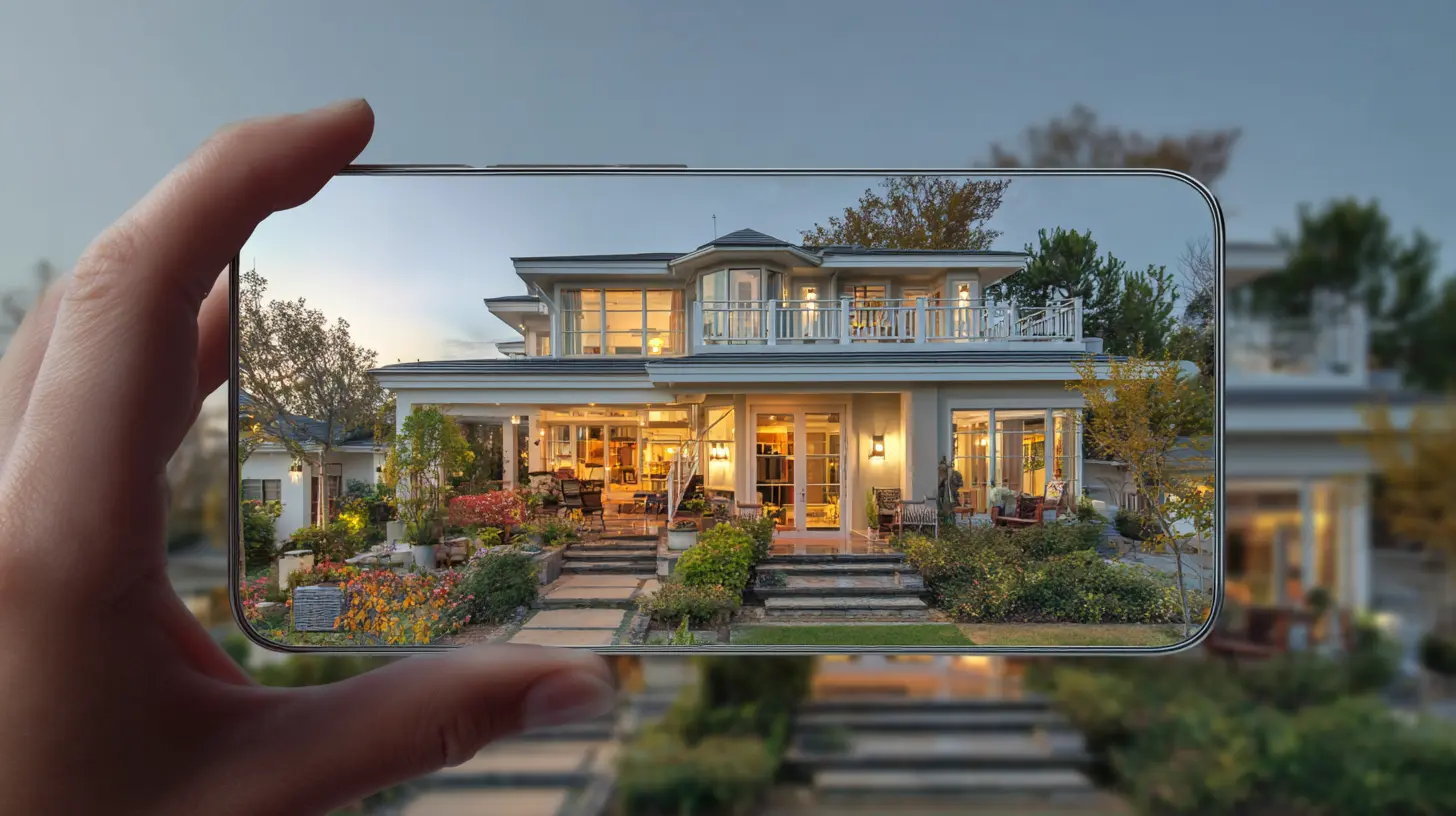
Use AI Tools Without Losing Your Voice
By 2026, AI touches nearly every part of the listing process. It writes descriptions, enhances photos, generates floor plans from phone scans, and powers the search assistants buyers use to filter listings. Sellers who ignore this are leaving reach on the table. Sellers who over-rely on it produce content that reads like everyone else's.Where AI Genuinely Helps
- Photo enhancement and virtual staging. AI can brighten dark rooms, remove clutter, and furnish empty spaces. This is legitimate when disclosed and when it does not misrepresent the property's condition or size.- Floor plan generation. Quick scan-based floor plans help buyers understand layout, which is one of the hardest things to convey in photos.
- Listing translation. If your market attracts international buyers, AI-assisted translation into multiple languages can widen your pool. Have a native speaker review it before publishing.
- Search optimization. AI tools can suggest keywords and phrasing that match how buyers actually search in your area.
Where AI Hurts
Generic AI-written listing descriptions are easy to spot. They lean on the same phrases, the same rhythm, and the same empty adjectives. Buyers and their agents skim past them. Worse, they can trigger skepticism about the whole listing.The fix is simple: use AI to draft and organize, then rewrite in your own voice with specific, verifiable details. "Sun-filled living room" means nothing. "South-facing living room that stays bright until late afternoon" tells a buyer something real.
Also worth noting: some buyers and platforms now flag AI-generated imagery when it crosses into misleading territory. Virtual staging is generally accepted when labeled. Digitally removing a permanent structure or altering the size of a room is not. Know where the line is in your market.

Build a Listing Website, Not Just a Listing
A standard MLS entry is a database record. It is necessary, but it is not a marketing asset you control. A dedicated single-property website gives you room to tell the full story.What a good property site includes:
- A full gallery with high-resolution images and a video tour
- A floor plan with dimensions
- A neighborhood section with schools, transit, shopping, and parks
- A maintenance and upgrades timeline showing what has been done and when
- A clear showing request form and contact details
- An FAQ section answering the questions buyers always ask
Why this works: it captures buyers who want more information before committing to a showing. It also gives you a link you can share anywhere, from social posts to email signatures to printed flyers. And it gives you data. You can see which sections people spend time on, which tells you what matters to your audience.
The trade-off is time and, in some cases, cost. A simple site can be built quickly with modern tools. A complex one with custom photography and drone footage takes more investment. Match the effort to the price point and competitiveness of your market.
Email and Direct Outreach Still Convert
Social media gets the attention, but email and direct outreach often get the offers. This is especially true for higher-priced homes where the buyer pool is smaller and more deliberate.The Coming Soon List
Build a list of buyers and agents who want early access before the home hits the public market. This can include people who toured similar homes in the area, neighbors who know someone looking, and agents who specialize in your price range.Send them a preview with photos, key details, and a showing window before the public launch. The goal is to create urgency and to surface serious interest early. In competitive markets, this alone can generate an offer before the first open house.
Targeted Agent Outreach
If your home fits a specific niche, such as a horse property, a historic home, or a home with an accessory dwelling unit, reach out to agents who specialize in that niche. They have buyers who are already qualified and already interested in exactly what you have. A short, specific email with a link to your property site can be far more effective than a broad ad campaign.Neighbor Referrals
Neighbors are an underused asset. They already love the area. They often know someone who wants to move in. A simple, friendly note or a small neighborhood gathering can turn your listing into a conversation. Some sellers offer a referral incentive to neighbors who bring a buyer. Check local rules before doing this, since incentive structures vary by region and can raise disclosure questions.
Open Houses, Rethought
The traditional weekend open house is not dead, but it needs a reason to exist. A sign on the corner and a bowl of cookies is not a strategy.Themed and Purposeful Events
Instead of a generic open house, host something with a hook. A coffee and pastries morning for the neighborhood. A sunset viewing with drinks for buyers who work during the day. A "bring your contractor" session for a home that needs work, where buyers can get rough renovation estimates on the spot.Why this works: it gives people a reason to come beyond curiosity, and it changes the energy of the event. A home full of relaxed, engaged visitors feels desirable. An empty open house feels like a problem.
Broker Preview Events
Invite local agents to a dedicated preview before public showings. Provide detailed spec sheets, answer questions, and make it easy for them to sell the home to their clients. Agents who feel informed and welcomed are more likely to bring buyers back.Virtual Open Houses
For buyers who cannot attend in person, a scheduled virtual open house with a live host can replicate much of the experience. Keep it focused, keep it short, and record it so latecomers can watch later.Photography and Staging in the AI Era
Photos are still the first filter. If the images do not work, nothing else matters.What Has Changed
Buyers now expect more than static images. They expect a video, a floor plan, and often a 3D walkthrough. Listings without these elements get fewer clicks in most markets.At the same time, buyers have become more skeptical of heavily edited photos. Overly bright, over-saturated images can create a "too good to be true" reaction. The sweet spot is clean, accurate, and well-lit, not manipulated beyond recognition.
Staging That Sells a Lifestyle
Physical staging remains powerful for vacant homes, but it is expensive. Virtual staging is cheaper and faster, and it lets you show a room in multiple ways, such as a bedroom setup and a home office setup. The key is disclosure. Label virtual staging clearly. It protects you legally and builds trust with buyers.For occupied homes, the best staging is often subtraction, not addition. Remove personal photos, clear counters, reduce furniture, and let the space breathe. Buyers need to imagine themselves in the home, and that is hard when the current owner's life is everywhere.
Leverage Local and Niche Platforms
The big portals dominate search, but they are not the only place buyers look. Depending on your property, niche platforms can deliver a more qualified audience.- Neighborhood apps and groups. Local community platforms often have for-sale sections and highly engaged members.
- Industry-specific networks. If your home suits remote workers, outdoor enthusiasts, or a specific profession, relevant communities may respond better than broad ads.
- Local media. A unique home, a historic property, or a notable renovation can earn coverage in local publications. This is free reach with built-in credibility.
- Print in the right places. Flyers still work in some markets, especially in buildings with strict digital rules or in areas with older buyer demographics. Place them where your buyer actually goes.
The principle is the same across all of them: go where your buyer already is, rather than shouting into the void.
Measure What Matters
Marketing without measurement is guessing. Track the metrics that connect to offers, not just attention.Useful metrics:
- Views and saves on your listing
- Showings scheduled versus showings completed
- Time spent on your property website
- Source of each inquiry, so you know what is working
- Feedback from buyers and agents after showings
- Days on market compared to similar homes
What to ignore: vanity numbers like raw follower counts or impressions without engagement. A thousand views that produce no showings is not success. Ten views that produce three showings is.
Review your data weekly. If a channel is not producing showings after a fair trial, shift effort elsewhere. If one channel is producing most of your traffic, double down on it.
Common Mistakes to Avoid
- Launching without a plan. Listing without a coordinated launch across channels wastes the first, most important week.- Ignoring the first 48 hours. Most listing attention happens early. Have your video, site, and outreach ready before you go live.
- Overpricing and over-marketing. Great marketing on an overpriced home just accelerates rejection. Price and marketing must match.
- Neglecting the small stuff. Blurry photos, typos, missing dimensions, and unanswered messages all cost you credibility.
- Forgetting follow-up. Most buyers do not act on first contact. A simple follow-up system keeps your home top of mind.
- Misrepresenting the property. In the age of AI editing, this is easier to do accidentally and more damaging when caught.
Bringing It Together
Marketing a home in 2026 is less about any single tactic and more about building a coordinated campaign. Positioning comes first. Then video, a property site, direct outreach, events, and measurement, all pointed at the same buyer profile and the same story.The sellers who do well are not the ones with the biggest budget. They are the ones who understand their buyer, communicate clearly, and use the tools available without letting the tools flatten their voice. That combination is still rare, which is exactly why it works.
all images in this post were generated using AI tools
Category:
Selling A HomeAuthor:

Lydia Hodge