Can You Inspect a Property Before a Real Estate Auction?
27 July 2026
If you've ever binge-watched a house-flipping show, you've probably seen the intense bidding wars at real estate auctions. But before you channel your inner property mogul and start waving that auction paddle like a pro, let’s tackle one big question: Can you inspect a property before a real estate auction?
Spoiler alert: Yes, you can! (And you definitely should.) But, of course, it’s not always as simple as ringing the doorbell and saying, “Hey, mind if I take a look around?”
Let’s break it all down and make sure you're not placing a blind bet on what could either be a dream investment—or a money pit with a roof. 
What Is a Real Estate Auction Anyway?
A real estate auction is basically an intense, fast-paced property sale where buyers bid against each other to snag a home, investment property, or sometimes even a vacant lot. These properties can be foreclosures, distressed homes, or just properties the seller wants to move ASAP.It’s kind of like eBay for houses—except instead of bidding on vintage sneakers, you're bidding on something that comes with a mortgage and the possibility of hidden plumbing disasters. 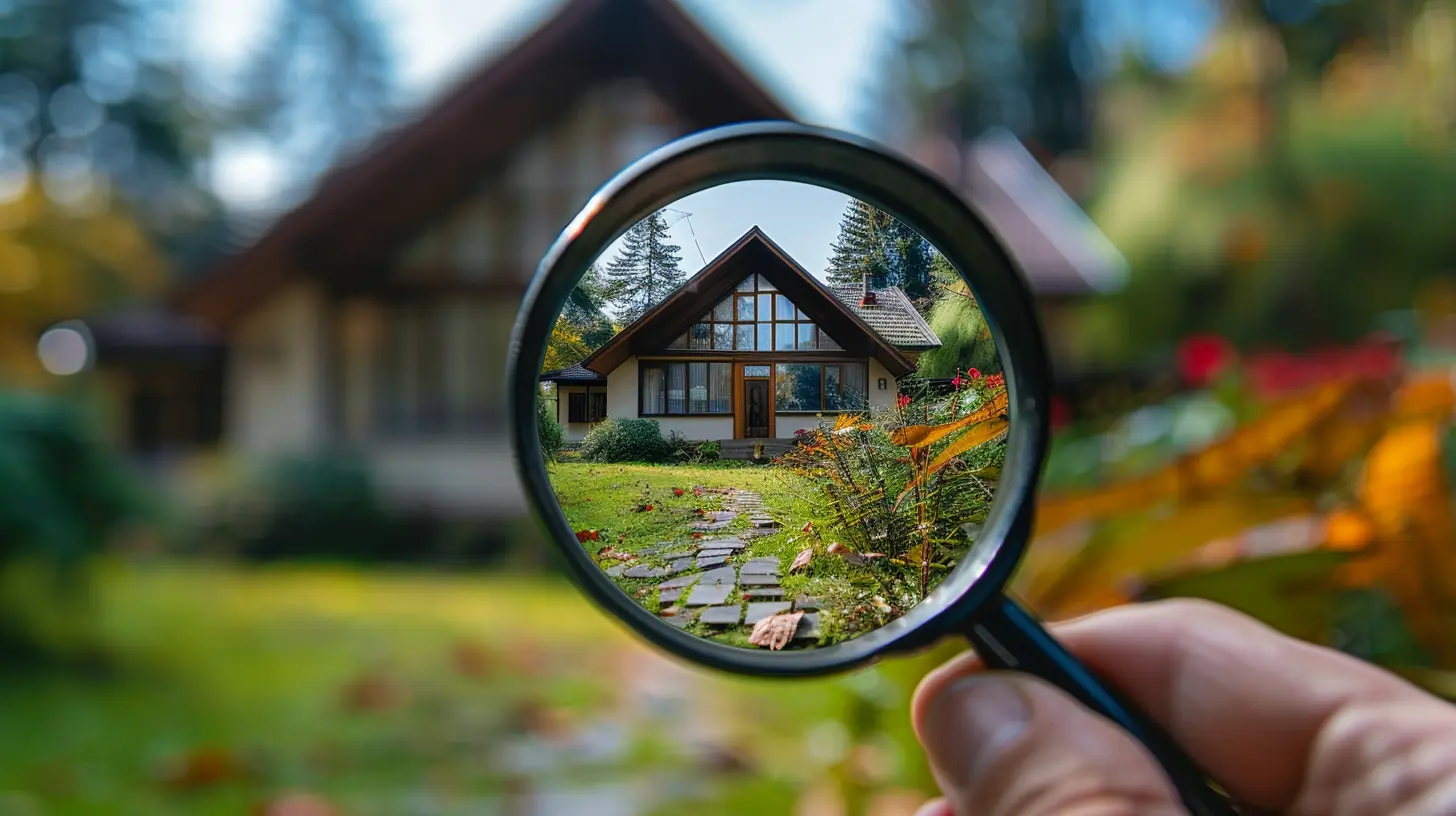
The Million-Dollar Question: Can You Inspect a Property Before Bidding?
Short Answer: Yes, But With Conditions
Most real estate auctions allow some level of property inspection before the big day. But unlike traditional home sales, you won’t always get a cozy, personalized tour with a real estate agent pointing out the lovely crown molding.Instead, you might get:
- Scheduled open inspections – A short window where potential buyers can walk through the property.
- External inspections – Meaning you can admire it from the sidewalk, but no stepping inside.
- As-is sales – Sometimes, what you see is what you get—especially if the property is occupied or foreclosed. 
How to Inspect a Property Before a Real Estate Auction
1. Check the Auction Details
Before you start daydreaming about knocking down walls and installing a fancy kitchen island, check the auction listing. The auctioneer or listing agent will usually mention if inspections are allowed and whether they’re scheduled or by appointment.If there’s zero mention of an inspection, that’s your first red flag. (And not the fun kind like in a pirate movie—the kind that says, “Proceed with caution.”)
2. Attend Open Inspections (If Offered)
Some auction properties do allow open inspections, but the timeframe is usually much shorter than a typical home sale. Instead of multiple visits and leisurely walkthroughs, you’ll have maybe one or two chances to check things out.Pro tip: Show up early and take your time. You won’t get a second chance once the hammer drops at the auction.
3. Hire a Professional Building Inspector
This is where things get tricky but necessary. Some auction properties allow a professional inspection, while others don’t. If the rules permit, hiring a qualified home inspector can save you from buying a house that turns into your worst nightmare.A good home inspector will check for:
- Structural issues (cracks, foundation problems)
- Termite infestations (the only thing worse than nosy neighbors)
- Plumbing disasters (water damage waits for no one)
- Electrical issues (because surprise sparks are never fun)
If hiring an inspector isn’t an option, bring a knowledgeable contractor or builder friend. A second pair of expert eyes is priceless.
4. Do Some Detective Work on the Property
Even if you can’t set foot inside, you can still dig up some dirt (figuratively speaking, of course).- Check public records – Look up past sales history, permits, and tax info.
- Talk to neighbors – They might spill the tea on previous owners or property issues.
- Look at Google Street View – See how the house and neighborhood have changed over time.
- Test the area at different times – A peaceful street at noon might turn into a party zone at midnight. 
What If You Can’t Inspect the Property?
Alright, let’s address the elephant in the room: What if the auction won’t allow inspections?Buying a house sight unseen is kind of like agreeing to a blind date with someone whose only bio reads, “Has a great personality.” Could be amazing. Could be a disaster.
If you must roll the dice, protect yourself as much as possible by:
- Investigating past listings or photos (Old MLS listings or rental websites might have interior shots.)
- Assessing comparable properties (Are prices in the area rising or falling?)
- Understanding the risks (You’re buying as-is, and there’s no going back.)
The Risks of Skipping an Inspection
Not inspecting a property before bidding is a high-stakes gamble. Here’s what could go wrong:- Hidden structural damage – That charming fixer-upper might actually be a teardown.
- Unseen pest infestations – Termites don’t pay rent, but they sure will eat your house.
- Major repair costs – Everything looks fine… until you realize the plumbing is from the Stone Age.
- Legal or title issues – Surprise! The home has unpaid taxes or a messy ownership history.
Unless you’re a seasoned investor who thrives on risk, not inspecting a home before an auction is a recipe for regret.
Final Thoughts: Inspect First, Bid Later
So, can you inspect a property before a real estate auction? Usually yes—but don’t assume it’s always possible.If you can, do it! A little due diligence can save you from big headaches. If you can’t, proceed with caution, research, and a backup plan. And remember: just because it’s a bargain doesn’t mean it’s a good deal.
Buying at auction is exciting, but the smartest bidders go in with their eyes wide open—not just their wallets.
all images in this post were generated using AI tools
Category:
Real Estate AuctionsAuthor:

Lydia Hodge
Discussion
rate this article
1 comments
Aris Mason
Of course you can inspect! Just don't expect any last-minute surprises to be friendly...
July 27, 2026 at 11:53 AM
Lydia Hodge
Thanks for the tip! It's always best to know what you're getting into.