Bathroom Trends that Will Dominate by 2027
8 September 2026
The bathroom has quietly transformed from a purely functional room into the most personal sanctuary in the home. By 2027, that shift will reach its full maturity. Homeowners are no longer asking for a place to shower and brush their teeth. They are asking for a space that recovers them, adapts to their changing bodies, and operates without demanding constant attention. The trends heading our way are not about fleeting colors or temporary fads. They are responses to deeper forces: an aging population, water scarcity, rising energy costs, and a collective desire for calm in an overstimulated world.
If you are planning a renovation or building new construction, the decisions you make today will determine how current your bathroom feels in three years. This article walks through the specific directions that will dominate, explains why they matter, and points out the traps that catch even experienced renovators.
The Rise of the Wet Room with a Purpose
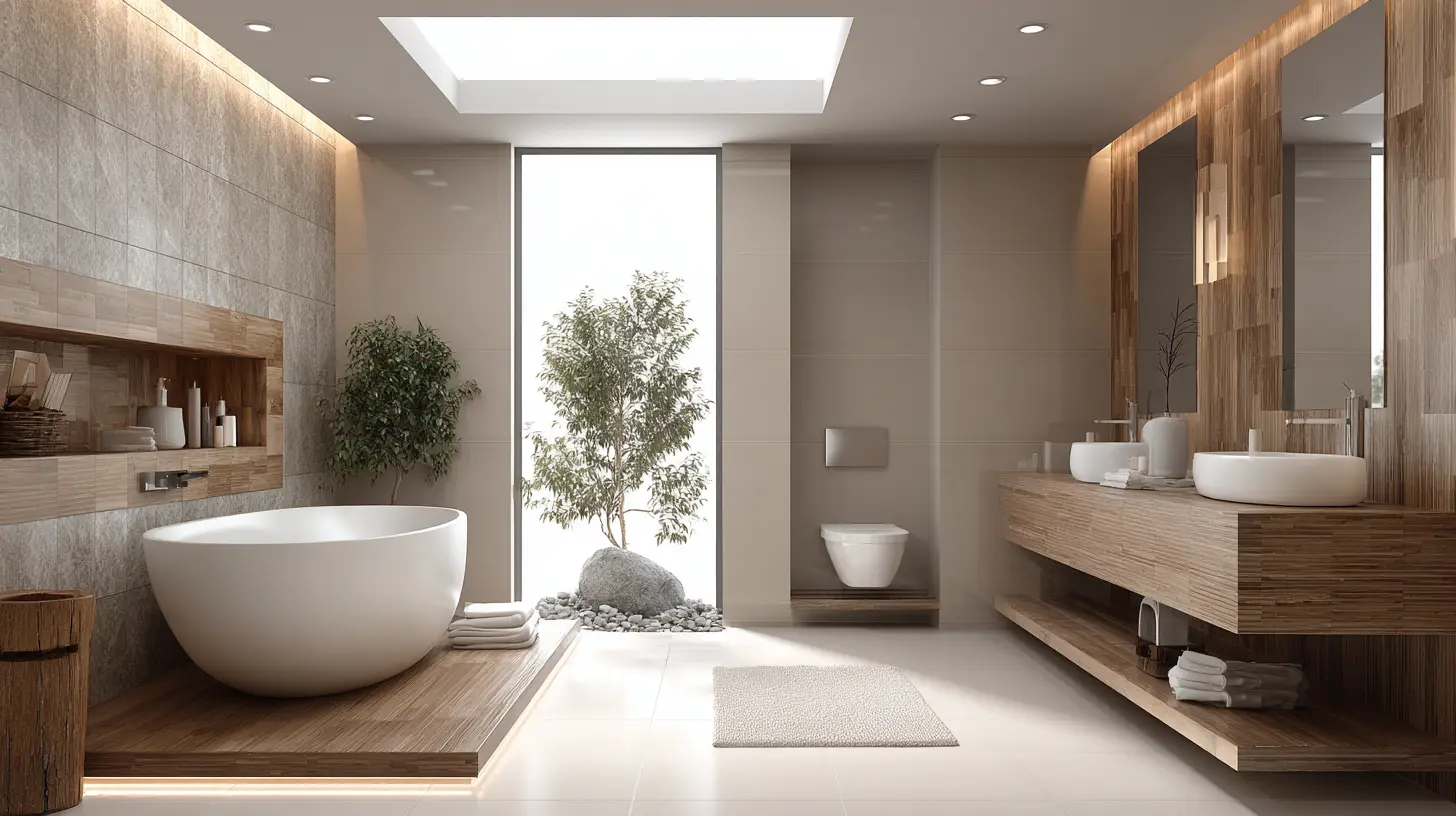
The open wet room has been popular in Europe for decades, but North America has been slower to embrace it. That changes by 2027. The wet room of the near future is not just a glass-enclosed shower with a drain in the middle. It is a fully waterproofed zone that combines the shower, a freestanding tub, and sometimes even the vanity area into one continuous, sloped floor space.Why this works: A wet room eliminates the physical barrier of a shower curb or door. That makes it dramatically easier to access for someone with mobility issues, a parent bathing small children, or a person who simply wants to hose down the entire space after a muddy dog comes inside. The lack of glass to clean is a practical bonus that many people underestimate until they live with it.
The trade-off is real, though. A wet room demands impeccable waterproofing. You need a licensed professional who understands liquid membranes, pre-sloped foam pans, and proper drain placement. If the slope is off by even a fraction, water pools in corners and causes long-term damage. Many homeowners also underestimate how cold a wet room feels in winter. Without a contained shower enclosure, heat escapes quickly. You will likely need a stronger exhaust fan, a heat lamp, or radiant floor heating to compensate.
The best approach for most people is a hybrid: a wet area for the shower and tub, but a dry zone for the vanity and toilet. This gives you the open feel and accessibility without turning your entire bathroom into a splash zone. By 2027, expect to see prefabricated wet room panels that snap together with gasketed joints, making the installation more reliable and less dependent on a single contractor's skill.
Smart Mirrors Stop Being a Gimmick
The smart mirror has been around for years, but most early versions were overpriced tablets glued to a reflective surface. The 2027 versions are different because they integrate seamlessly with the home's existing systems. They are no longer standalone gadgets. They are the control center for your entire bathroom environment.Imagine a mirror that reads the room's humidity and automatically adjusts the exhaust fan before fog forms. It displays your calendar as you brush your teeth, but only if you ask. It can show a magnified view of your skin under different lighting spectrums to help you apply makeup or check a healing wound. It connects to your smart scale and subtly shows your weight trend without making it a daily obsession.
The practical advice here is to resist buying the cheapest smart mirror on the market. The cheap ones have poor color rendering, which ruins makeup application, and their software becomes obsolete within two years. Look for a mirror with a high CRI (Color Rendering Index) of 90 or above, local processing for privacy, and a wired connection option. Wi-Fi-only mirrors in a bathroom often drop signal due to tile and metal plumbing.
A common mistake is installing a smart mirror directly opposite a window. The glare makes the screen unreadable during the day, and the reflection of outside light confuses the auto-brightness sensor. Place the mirror on a wall that is perpendicular to the window, not facing it. Also, think about the mirror's height carefully. The camera and sensors need to see your face at a comfortable distance. If you mount it too high, the screen angles become awkward for shorter users.
Water Conservation Becomes Invisible
Water-saving fixtures used to mean ugly low-flow showerheads that dribbled. That era is over. By 2027, the dominant trend is water conservation that you do not have to think about. The technology is becoming invisible, embedded in the structure of the bathroom itself.Recirculating shower systems are the biggest change. These systems capture water at the drain, filter it, heat it, and pump it back through the showerhead in a closed loop. The first time you shower, you use about two gallons of water. After that, the same water cycles through, so a 20-minute shower uses the same two gallons, just cleaned and reheated. The energy savings are enormous because you are not constantly heating new cold water. The water savings are even more significant for households in drought-prone regions.
The catch is cost and maintenance. A recirculating system can add several thousand dollars to a bathroom build. The filters need changing every few months, and the pump can be noisy if not properly insulated. These systems also require a dedicated electrical circuit and a more complex control valve. For a guest bathroom that gets used twice a week, the payback period is too long. For a primary bathroom used daily by a family, it makes sense.
Another invisible conservation trend is greywater recycling from the bathroom sink to the toilet tank. The water you use to wash your hands flows through a simple filter into a holding tank that flushes your toilet. This is a low-tech, high-impact solution that requires minimal maintenance. The only real issue is that some building codes still prohibit it, so check with your local authority before planning for it.
Biophilic Design Moves Beyond a Potted Plant
Biophilic design is about connecting the indoor environment to nature. In bathrooms, this trend will dominate because the room is already associated with cleansing and renewal. But the 2027 version is not just adding a fiddle leaf fig next to the tub.Expect to see living walls integrated into shower areas, with moisture-loving ferns, mosses, and orchids planted directly into the tile system. These are not decorative afterthoughts. They are engineered systems with automatic irrigation, drainage, and grow lights that simulate dawn and dusk. The plants help regulate humidity, absorb sound, and provide a visual softness that tile and stone cannot offer.
The practical reality is that living walls require commitment. They need weekly inspection for pests, periodic pruning, and replacement of plants that do not thrive. If you travel frequently, you need an automatic watering system that is reliable. A failed living wall becomes a brown, crispy eyesore and a breeding ground for fungus gnats.
A more manageable alternative is the "plant shelf" approach. Design a deep ledge above the shower or along a high wall, out of direct water spray, and fill it with plants that tolerate high humidity and low light. Pothos, philodendron, and certain ferns do well. Use self-watering pots with a visible water level indicator. This gives you the biophilic benefit without the complexity of a full living wall.
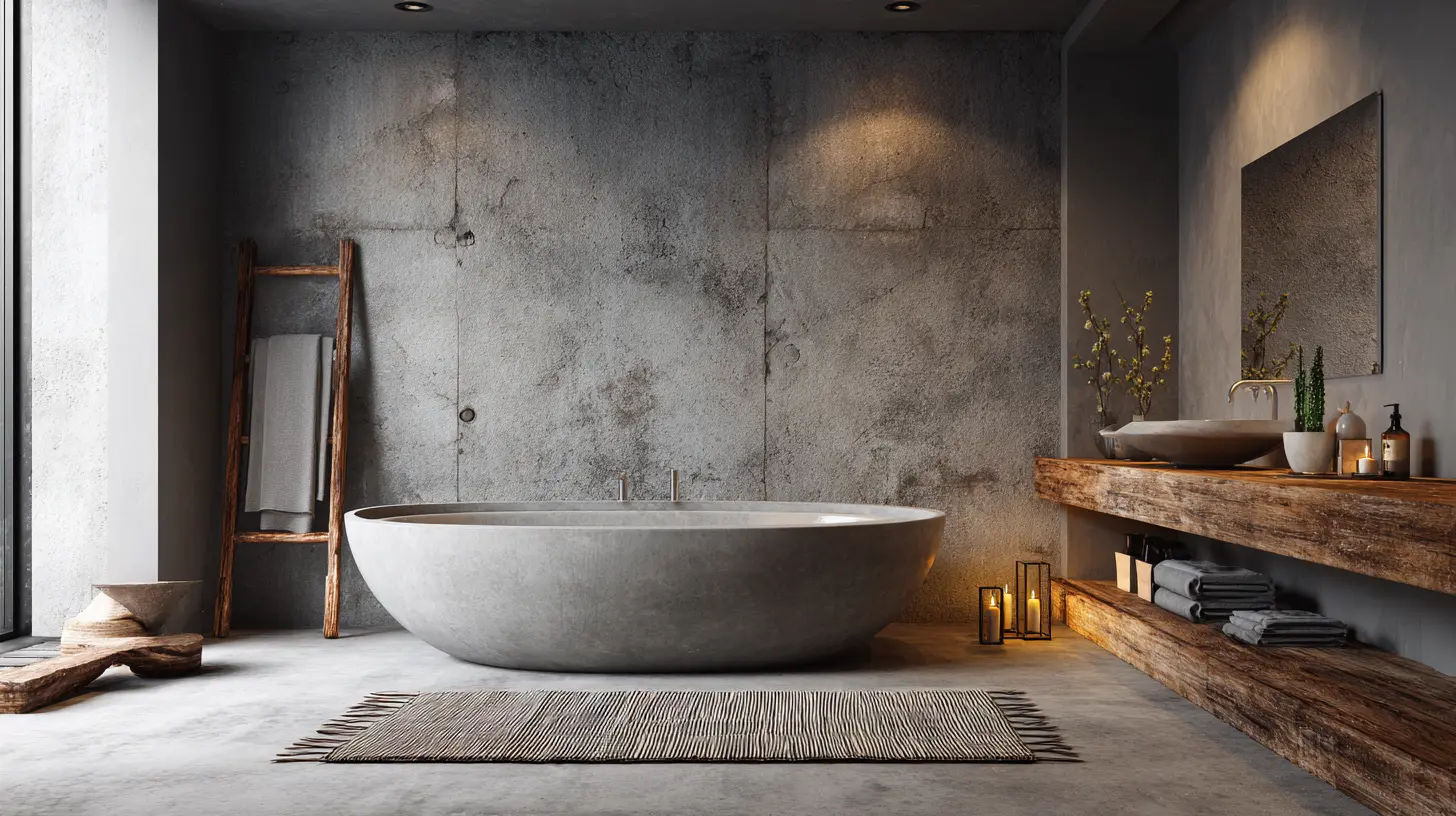
The material palette is also shifting toward natural textures that age gracefully. Large-format porcelain slabs that mimic travertine or limestone are replacing small subway tiles because they have fewer grout lines, which means less mold growth and easier cleaning. Textured concrete finishes are appearing on vanities and tub decks. The key is to choose materials that feel warm to the touch. Cold, glossy marble is falling out of favor for primary bathrooms because people want a space that feels like a spa, not a hotel lobby.
The Aging-in-Place Bathroom Loses Its Clinical Look
The biggest demographic shift affecting bathroom design is the massive wave of baby boomers who want to stay in their homes. The old approach was to install grab bars that looked like hospital equipment and a plastic shower bench. The 2027 approach is to integrate accessibility so seamlessly that no one notices it is there.Grab bars are now being made from the same material as the towel bars and toilet paper holders. They are available in brushed bronze, matte black, and even wood-wrapped designs. They are installed at the correct height for the user, not the standard 33 inches that works for the average person. A taller person needs bars at 36 to 38 inches. A shorter person needs them lower. The best practice is to have the primary user stand against the wall and mark where their elbow naturally rests. That is the correct grab bar height.
The curbless shower is becoming standard in new construction, not just for accessible homes. The subtle slope of the floor directs water to a linear drain at the back wall. This eliminates the need for a shower curtain or door, which are common trip hazards. The linear drain is also easier to clean than a traditional center drain because you can remove the grate and wipe out the channel.
Toilets are getting taller, with comfort height models now the default. Bidets and washlet seats are becoming standard because they reduce the need for twisting and reaching. The Japanese-style toilet with a warm seat, warm water wash, and air dryer is no longer a luxury item. It is a health aid that reduces the risk of falls and improves hygiene for people with limited mobility.
The common mistake with aging-in-place design is waiting until you need it. Renovating a bathroom for accessibility after a hip replacement or a stroke is stressful and expensive. If you are doing a full renovation for any reason, integrate the structural elements now. Install blocking behind the walls where grab bars will go, even if you do not put the bars up yet. Make the doorway at least 32 inches wide. Choose a comfort height toilet. These decisions cost almost nothing during construction but are prohibitively expensive to retrofit later.
Color and Finish Trends: Warm Neutrals and Deep Accents
The all-white bathroom is finally on its way out. By 2027, the dominant palette is warm and layered. Think creamy off-whites, soft greiges, and warm taupe tones on the walls and large surfaces. These are paired with deep, saturated accents in forest green, navy blue, or charcoal on vanities and trim.The reason for this shift is psychological. Cool white and gray bathrooms feel sterile and clinical. They reflect light harshly and make skin look washed out. Warm neutrals create a softer reflection that is more flattering. They also hide water spots and soap scum better than stark white, which is a practical benefit that becomes obvious after the first week of use.
The accent color is best applied to the vanity. A deep green vanity with a white countertop and brass fixtures creates a focal point that does not overwhelm the room. If you are hesitant about committing to a dark color, use it on the interior of the vanity cabinet or on the back wall of a niche. This gives you the drama without the risk of hating it in two years.
Matte black fixtures had a long run, but they are being replaced by unlacquered brass and brushed nickel. Unlacquered brass develops a natural patina over time, which some people love and others hate. It is not a finish that stays uniform. It darkens and develops character. If you want a consistent look, choose a brushed brass finish that is sealed. If you want a living finish that changes with use, go with unlacquered and accept that it will look different in five years.
Large-format tiles are trending toward 24 by 48 inches or larger. The fewer grout lines you have, the more monolithic and calm the space feels. The trade-off is that large tiles are harder to install on walls that are not perfectly flat. Your contractor may need to apply a leveling system to the substrate, which adds cost. On floors, large tiles require a very flat subfloor. If your floor has any dips, the tiles will crack or rock.
Lighting Becomes Layered and Tunable
Bathroom lighting has historically been a single overhead fixture or a fluorescent bar above the mirror. Both are terrible for how people actually use the room. The 2027 trend is layered lighting that serves different purposes at different times of the day.You need task lighting for grooming. This should be vertical fixtures on either side of the mirror, placed at eye level, not above the mirror. Light from above casts shadows under your brow and chin, making it hard to shave or apply makeup. Side lighting at eye level eliminates those shadows.
You need ambient lighting for general illumination. This can be recessed cans with a wide flood beam, or a stylish flush mount fixture. The key is to put it on a dimmer switch so you can lower it for a relaxing bath.
You need accent lighting to highlight architectural features. A cove light above the shower, a strip of LED under the floating vanity, or a picture light over a piece of art. These add depth and make the room feel larger.
The newest development is tunable white lighting. This allows you to change the color temperature of the light from warm (2700K) in the evening to cool (5000K) in the morning. Cool light in the morning suppresses melatonin and helps you wake up. Warm light in the evening promotes relaxation and prepares your body for sleep. This is not a gimmick. It has real effects on your circadian rhythm.
The practical advice is to install a lighting control system that is simple to use. A complicated app that requires you to open your phone and navigate three menus will not get used. A simple wall switch with preset scenes labeled "Morning," "Day," and "Evening" is much more effective. You press one button and the lights adjust automatically.
Storage That Hides Everything
The cluttered bathroom countertop is a visual stressor. By 2027, the trend is toward concealed storage that keeps the surfaces clear. This is not about having more cabinets. It is about having smarter ones.Medicine cabinets are getting deeper and are being recessed into the wall so they do not protrude. They now have built-in electrical outlets inside, so you can charge your toothbrush or razor behind the mirror door. Some have a small drawer at the bottom for items you need frequently, like contact lens solution.
Floating vanities with drawers are replacing the traditional cabinet with doors. Drawers are more accessible because you can see everything at a glance. You do not have to crouch down and reach into a dark cavity. The best drawer systems have a cutout in the back for plumbing, so the drawer can be full depth without hitting the pipes.
A common mistake is making the vanity too wide to accommodate storage. A 72-inch vanity with a double sink sounds great, but it eats up floor space that could be used for a linen tower or a comfortable dressing area. Consider a 60-inch vanity with a single large basin and a separate makeup area with its own small sink. This gives you more storage and more counter space per person.
The niche in the shower is becoming a required feature, not an upgrade. A properly placed niche at chest height, about 12 inches wide and 18 inches tall, holds your shampoo, conditioner, and soap without cluttering the floor or hanging caddies. The mistake is placing the niche too low, which requires bending, or too close to the showerhead, where it gets soaked and the bottles fall over. Place it on the wall opposite the showerhead for the best function.
Heated Everything
Radiant floor heating is moving from a luxury to an expected feature in primary bathrooms. The feeling of stepping onto a warm tile floor on a cold morning is transformative. The technology has become more affordable and more reliable. Electric systems with thin mats are easy to install under tile and stone. Hydronic systems, which circulate warm water through tubes, are more efficient for large areas but require a boiler or water heater connection.The trend is expanding beyond the floor. Heated towel racks are becoming standard. They dry towels quickly, preventing the musty smell that plagues bathrooms, and they provide a warm towel when you step out of the shower. The best models are hardwired with a timer switch, so they can be set to turn on an hour before you wake up.
Heated mirrors are also appearing. These have a thin heating element behind the glass that prevents condensation. You never have to wipe the mirror after a hot shower. The cost is minimal, and the convenience is significant.
The trade-off with heated everything is energy consumption. Radiant floors are not cheap to run if you leave them on all day. Use a programmable thermostat that heats the floor only during the hours you typically use the bathroom. A heated towel rack with a timer is more efficient than one that runs continuously.
The Conclusion: Plan for the Person You Will Be
The bathroom trends that will dominate by 2027 share a common thread. They are all about making the bathroom work harder for you while demanding less conscious effort. Water conservation that happens automatically. Lighting that supports your biology. Surfaces that are easy to clean. Storage that keeps your space calm. Accessibility that is invisible until you need it.If you are planning a renovation, resist the urge to chase every trend. Choose the ones that solve your specific problems. If you hate cleaning grout, invest in large-format tiles. If you struggle to see your face in the morning, focus on side lighting. If you have aging parents visiting regularly, add the blocking for grab bars now.
The most successful bathrooms are not the ones that look like magazine spreads. They are the ones that feel effortless to use every single day. By 2027, the best bathrooms will be the ones you do not have to think about. They will simply work, quietly and efficiently, in the background of your life.
all images in this post were generated using AI tools
Category:
Home ImprovementAuthor:

Lydia Hodge